


 Osa Commerce
Growth shouldn’t come at the cost of integration chaos. As supply chain ecosystems evolve, rigid integrations become a liability—breaking with every update and slowing expansion. To scale smart, 3PLs and Omnichannel Brands need an integration foundation that adapts as fast as the business does, without constant rework or disruption.

Discover how unified commerce integration is revolutionizing logistics by eliminating silos, enabling real-time visibility, and powering scalable, automated operations for modern supply chains.
Breaking Down Barriers: Why Logistics Needs Unified Commerce Integration
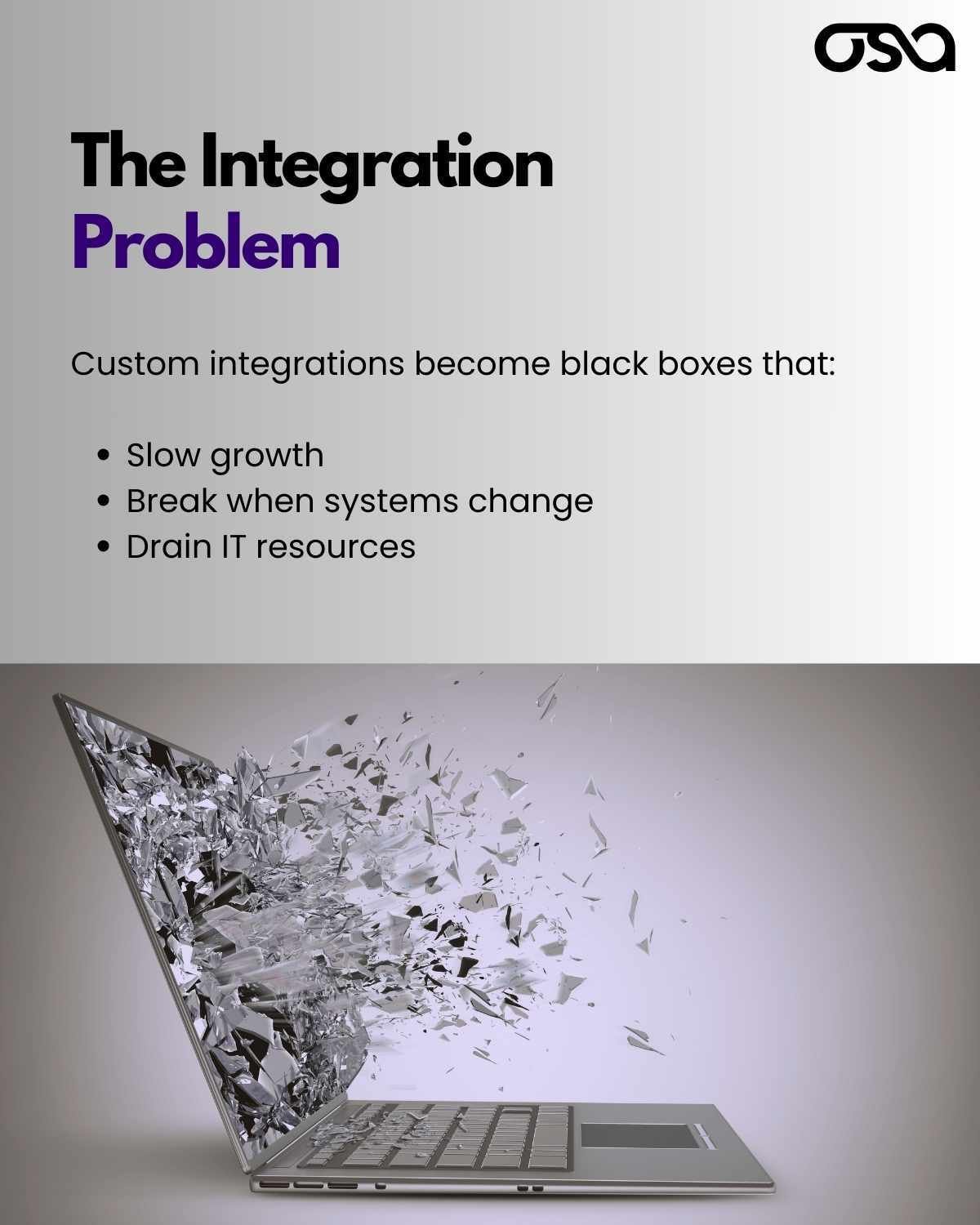
In today’s rapidly evolving logistics landscape, operational silos have become a growth bottleneck for 3PLs, brands, and retailers. Disconnected supply chain platforms create inefficiencies, limit visibility, and force teams to rely on costly manual interventions or custom code. These systems include:
-
Marketplace systems
Eliminate Custom Code and Get Operational Control
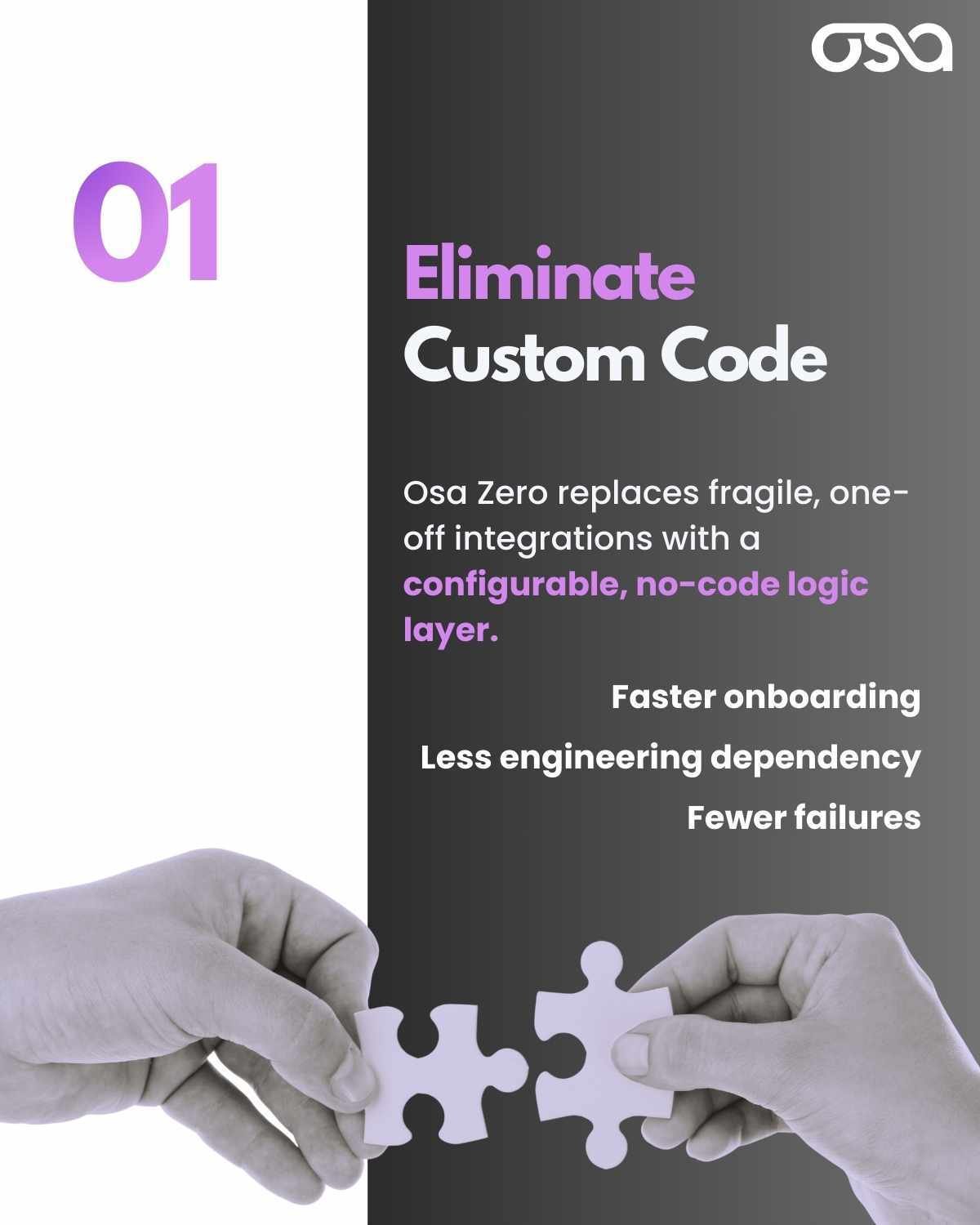
Custom integrations weren’t built for scale — they were built to “make it work.” Over time, that patchwork of scripts, connectors, and dev tickets turns into an operational bottleneck that slows onboarding, inflates costs, and limits visibility. To regain control, third-party logistics (3PLs) and brands need an integration approach that’s flexible, resilient, and owned by the business — not buried in engineering backlogs.
Unlock Visibility: The Foundation of Modern Supply Chain Success
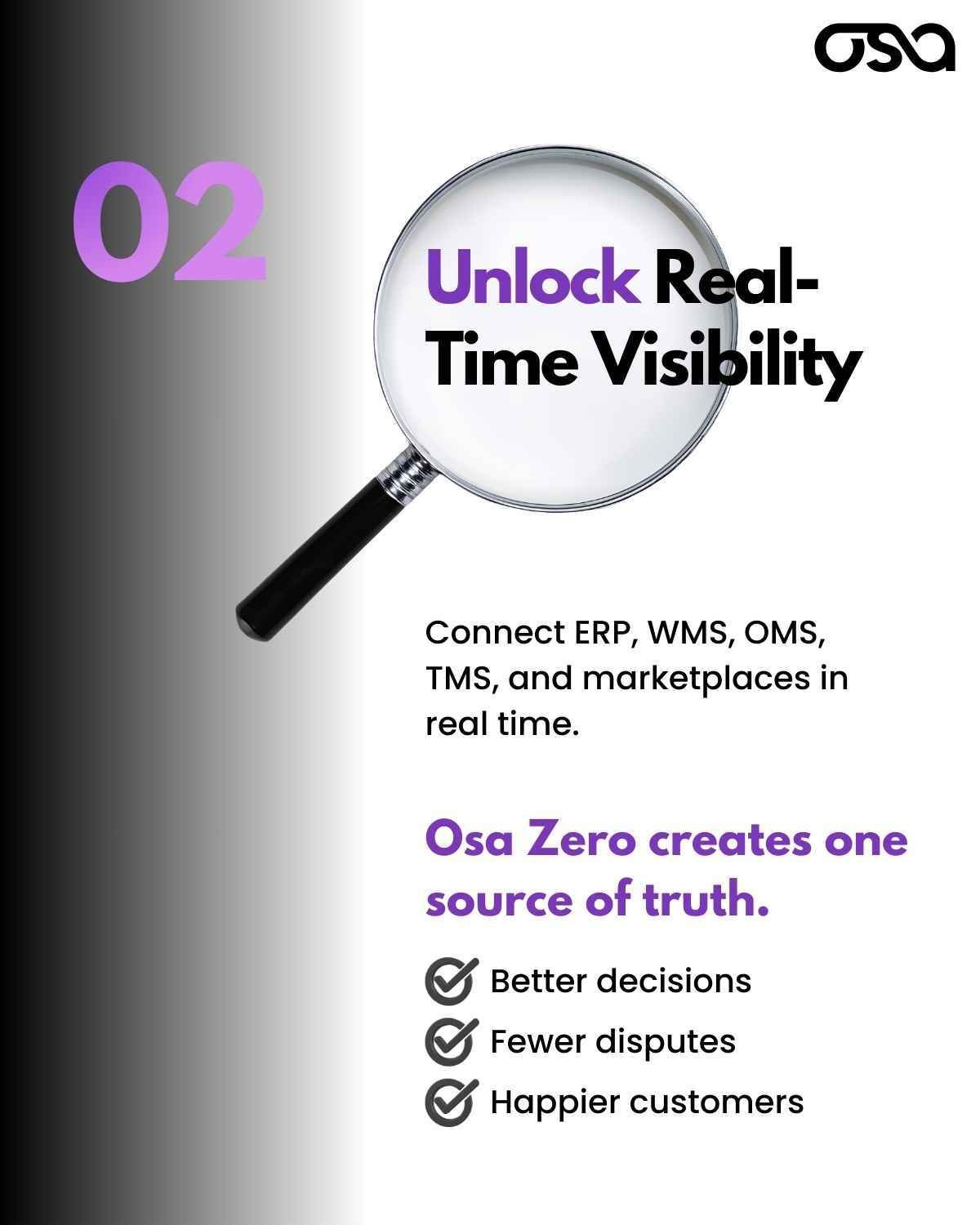
Siloed systems create delayed data — and delayed data leads to bad decisions. Unified commerce integration delivers a single source of truth for inventory, orders, and fulfillment status across every channel. This transparency enables faster, more accurate forecasting, demand planning, and dispute resolution, empowering 3PLs and brands to outperform competitors and deliver superior customer experiences.
Automation and AI = Speed to Value
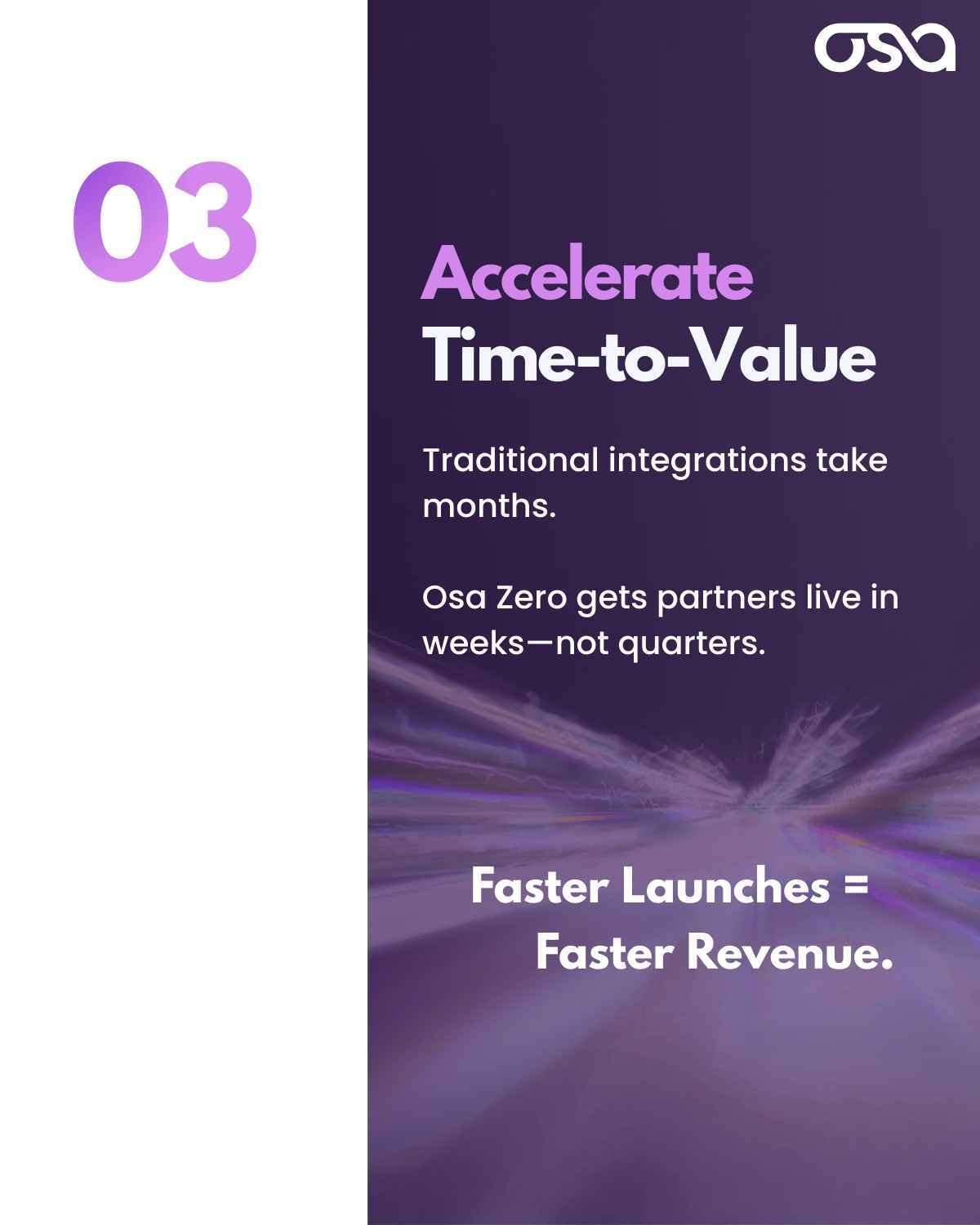
In today’s supply chain landscape, speed isn’t a nice-to-have—it’s a revenue driver. When integrations drag on for months, opportunities stall and growth slips away. Faster time to value means faster onboarding, faster launches, and a real competitive edge for 3PLs and brands ready to scale.
Manual processes and one-off integrations not only slow down operations but also introduce errors and increase operational costs. By leveraging unified commerce integration, businesses can automate data synchronization, order routing, inventory updates, and exception management—dramatically reducing manual workload and eliminating redundant tasks.
With the addition of Artificial Intelligence (AI) and embedded business rules, operations become smarter and more predictive. This increases order accuracy, optimizes inventory positioning, and ensures that the right product reaches the right customer, at the right time, every time.
Reduce Operational Costs and Improve Margins
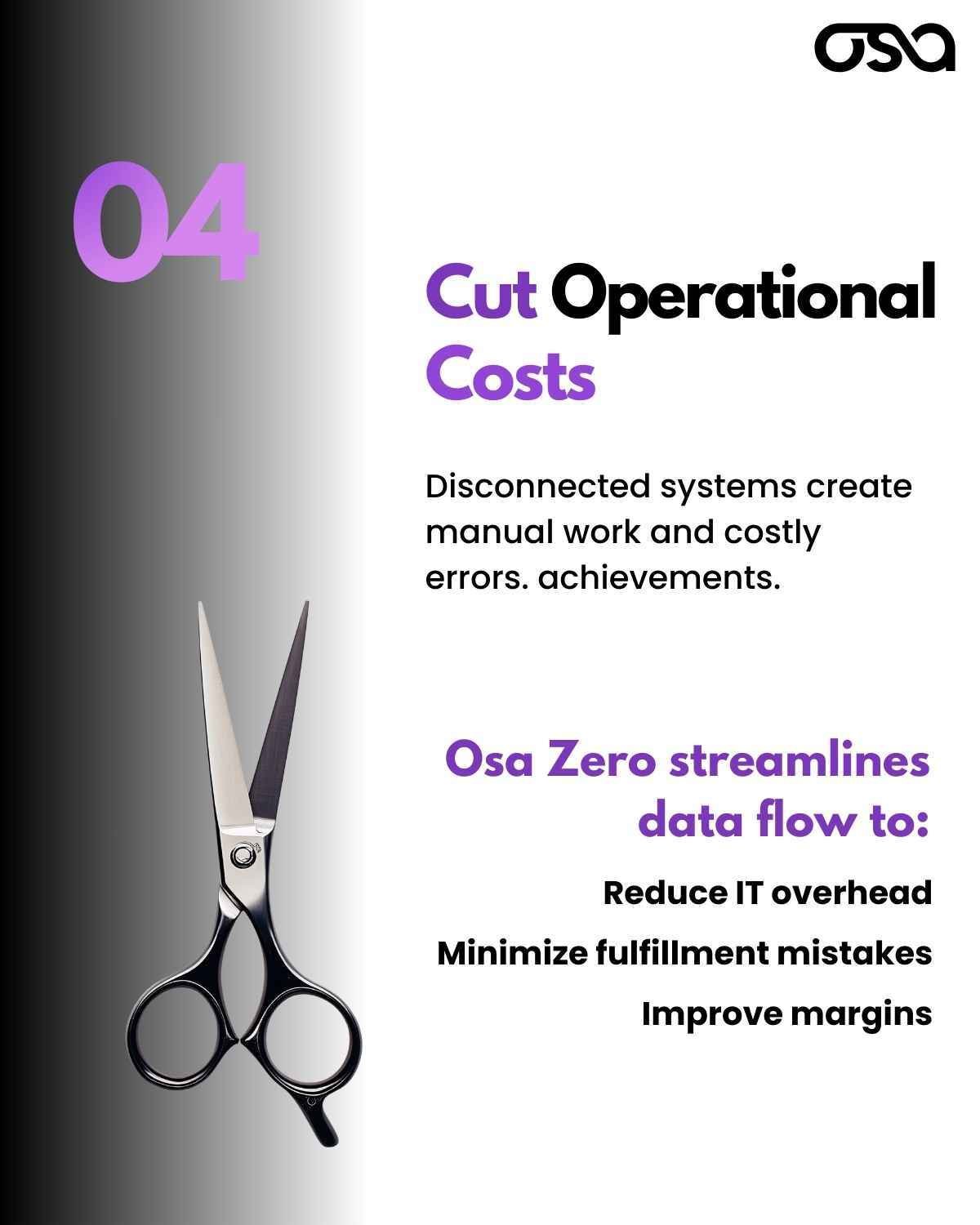
Integration inefficiencies don’t just slow operations—they quietly drain margins. When systems don’t talk to each other, teams compensate by doing manual work, duplicating tools, and constantly troubleshooting. Over time, those hidden costs add up, limiting how and where businesses can invest in growth.
Legacy integrations are brittle and often break with system updates, causing costly downtime and data inconsistencies. Platforms like Osa Zero provide API-first, cloud-agnostic, and upgrade-safe integration logic—ensuring seamless data flow and continuous operations even as business ecosystems evolve.
This cohesive approach optimizes every stage of the supply chain: from inventory accuracy in the warehouse to real-time order management and efficient fulfillment routing. The result is reduced IT overhead, faster onboarding of new merchants, and the ability to scale operations rapidly without introducing new risks.
Scalability and Future-Readiness
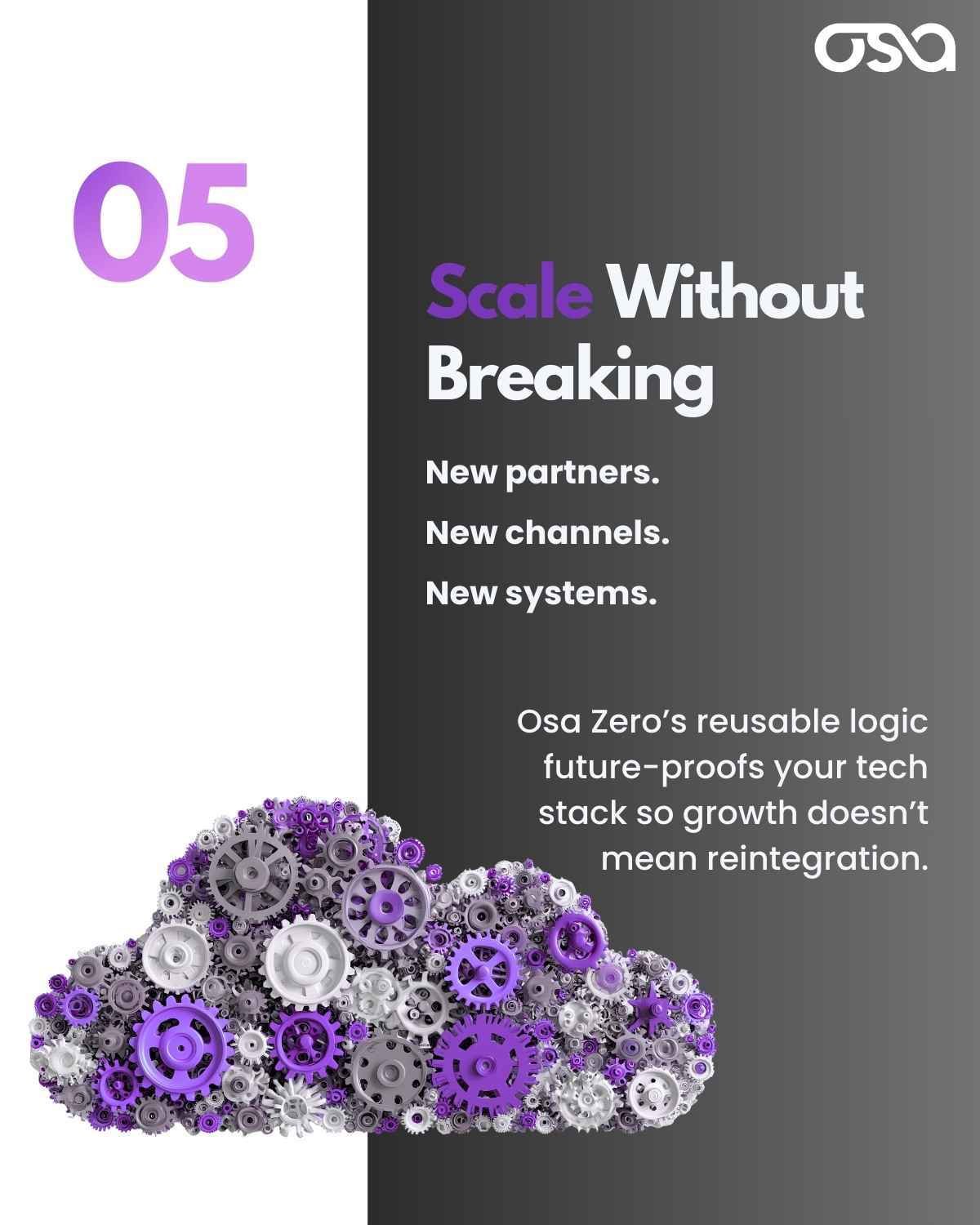
Unified commerce integration provides the flexibility to expand without reinventing the wheel for every new connection. Upgrade-safe logic layers insulate operations from system changes, ensuring that adding new clients, partners, or services doesn’t disrupt the business.
Preparing Logistics for Tomorrow’s Demands
Unified commerce integration isn’t just an operational improvement — it’s a strategic imperative for 3PLs, brands, and retailers aiming to lead in a competitive, data-driven market. By breaking down silos, standardizing real-time data flows, and enabling automation across systems, unified integration transforms a cost center into a growth engine. It accelerates time to value, slashes operational overhead, and future-proofs your tech stack so you can scale with confidence and reinvest in innovation, not firefighting.
Learn how Osa Zero Integration Management transforms integrations from operational hurdles into strategic assets.
