

 Osa Commerce
Moving From Reactive Firefighting to Proactive Growth
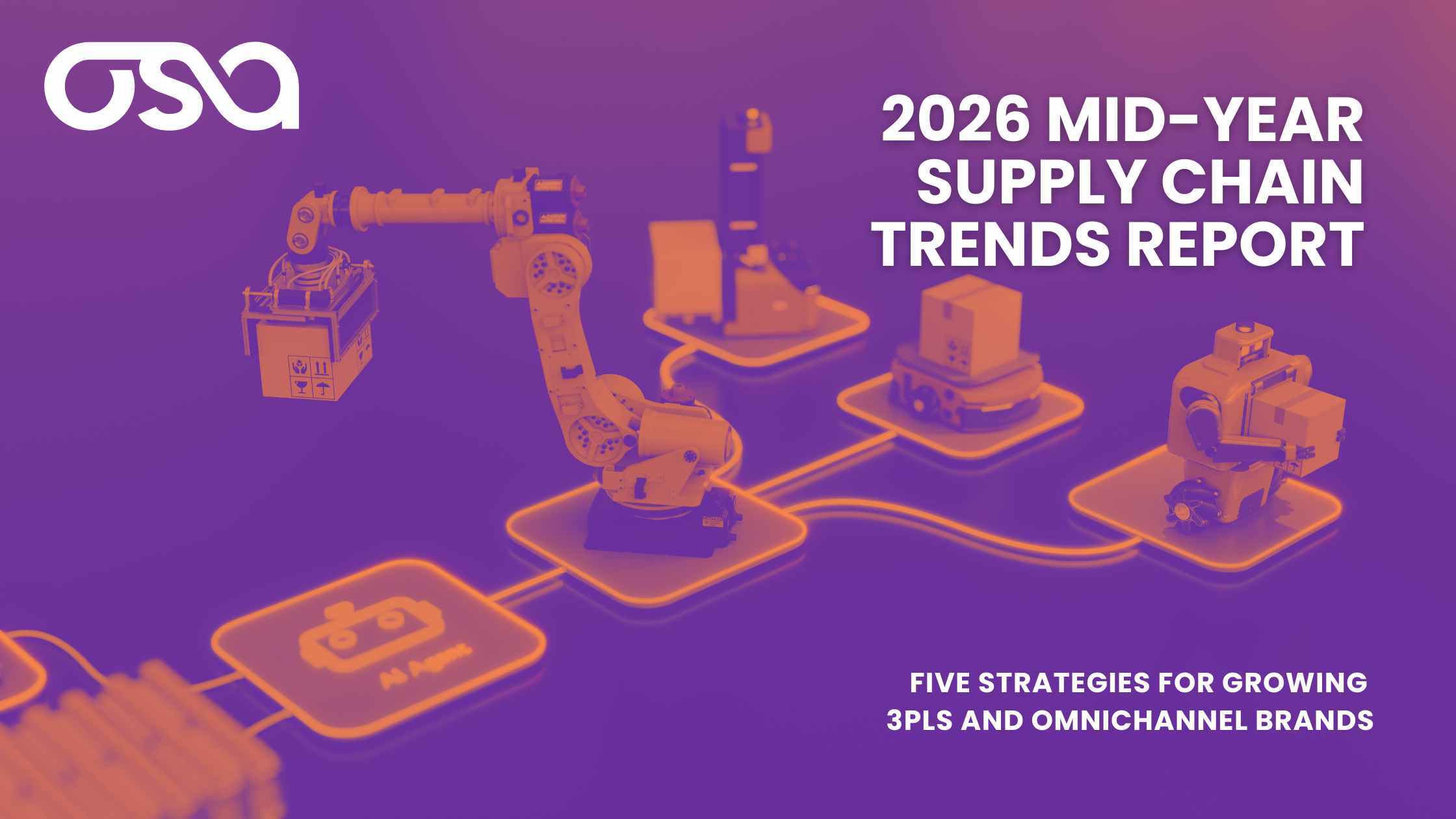
In the Osa Commerce 2026 Mid-Year Supply Chain Trends Report, we will share a strategic at-a-glance blueprint of the top five redefining strategies for third-party logistics (3PL) providers and omnichannel brands.
The global logistics industry is projected to reach $14.4 trillion by 2027. But let's face the reality. Slower growth is bringing tighter margins, severe labor constraints, and recurring supply chain shocks. In 2026, relying on traditional efficiency alone is no longer enough to guarantee survival.
And a harsh truth has emerged—one that will fundamentally shift strategies for every 3PL. Disconnected systems and stitched-together point solutions are an expensive operational liability.
The report outlines how forward-thinking operations can eliminate data silos and leverage intelligent orchestration to transition from reactive to proactive, resilient ecosystems that thrive in volatile markets.
How to Turn Disruption into Growth
The supply chain industry has always faced disruptions. But today's landscape is a much more volatile market, and supply chains must transition from reactive firefighting to proactive, AI-driven orchestration. We’ve analyzed the data and identified the top strategies for forward-thinking logistics leaders.
For a deeper look at what it takes to thrive in a quickly evolving logistics industry, download the full report.
1. The Death of Disconnected Systems
If you operate a mid-to-large 3PL right now, you are feeling the squeeze. Facility costs, labor rates, and customer expectations are all climbing, yet many 3PLs have service contracts that were most likely locked into negotiated rates years ago. While 3PLs are struggling to protect their bottom lines, customers want everything delivered faster and with total transparency.
But the biggest threat to margins and the ability to scale isn't the economy or the labor market. It is a disconnected technology stack.
2. Frictionless Tech Integration
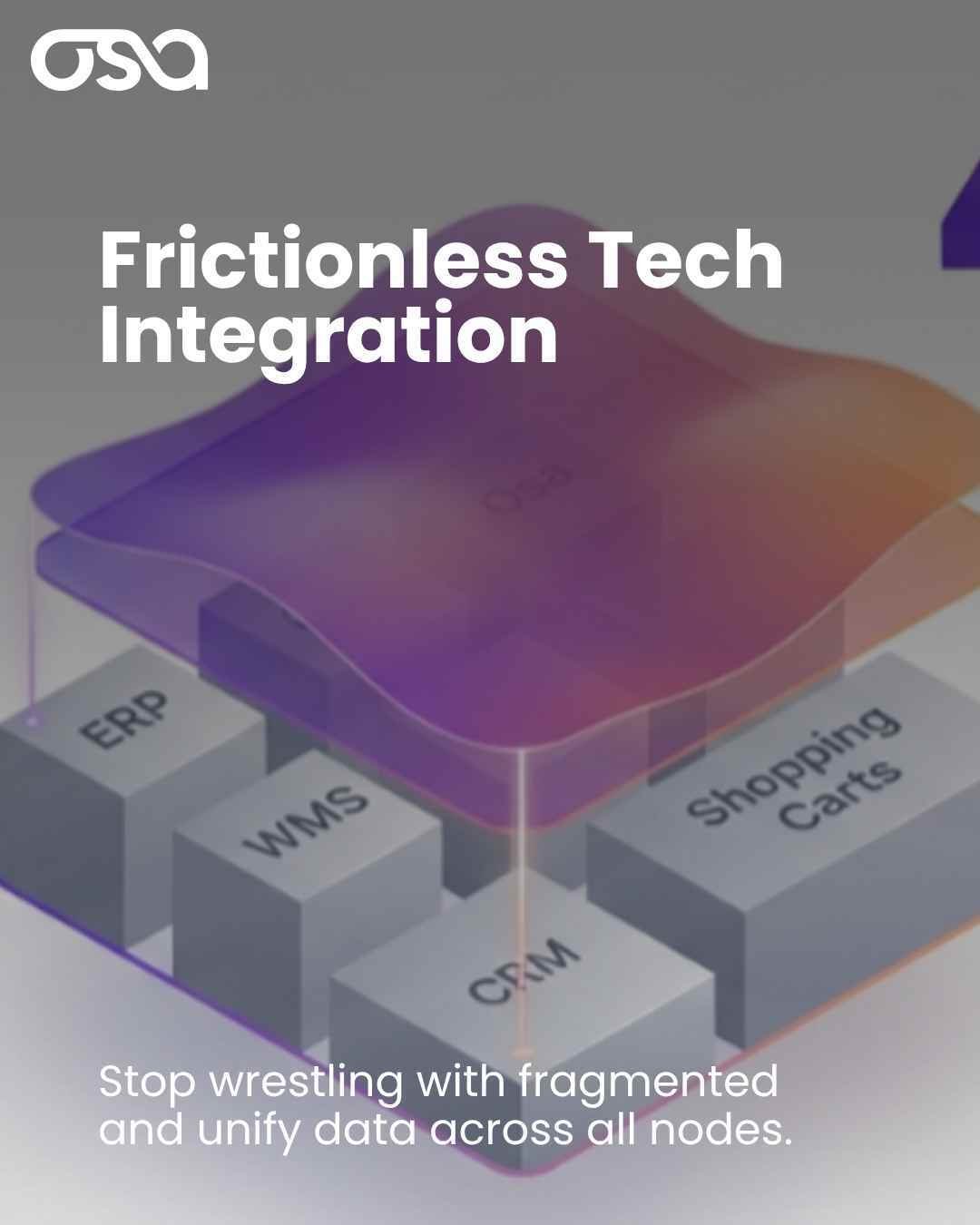
When your systems cannot talk to each other, your people are forced to bridge the gap. That is the reality for too many 3PLs right now. You are relying on manual data entry, spreadsheets, and brittle custom code to hold your operations together. That friction isn't just an IT headache—the inefficiency ripples through your entire business, creating blind spots and fulfillment errors that stifle growth.
Frictionless tech integration changes the equation. It is about shifting from rigid, code-heavy customizations to a configurable, logic-driven architecture. That is exactly why we built Osa Zero Integration Management.
For a deeper look at what it takes to thrive in a quickly evolving logistics industry, download the full report.
3. AI-First Orchestration
For too long, the standard operating procedure in logistics has been reactive firefighting. But basic automation is no longer enough to address the challenges facing our industry's future.
AI-first orchestration transforms 3PLs from reactive vendors into strategic, predictive partners, where predictive planning, historical sales, seasonality, supplier lead times, and even real-time market trends anticipate disruptions before they hit dock doors.
By unifying systems, like a WMS, into a single source of truth, AI engines can access real-time, cross-platform data needed to make accurate predictions. 3PL leaders can stop asking their team, "What went wrong yesterday?" and empower them to ask, "How are we optimized for tomorrow?
4. The Warehouse Efficiency Mandate
In the not-so-distant future, peak season will be here, and the days of brute-forcing your way through peak season with temp labor and spreadsheets are over. 3PLs already know the math has fundamentally changed. Labor is scarce, facility costs are at a premium, and legacy systems are actively creating artificial ceilings on your growth.
Warehouse efficiency is no longer just a metric to monitor on a dashboard—it is the defensive moat protecting margins. Prioritizing efficiency is the only viable strategy to combat these dual threats.
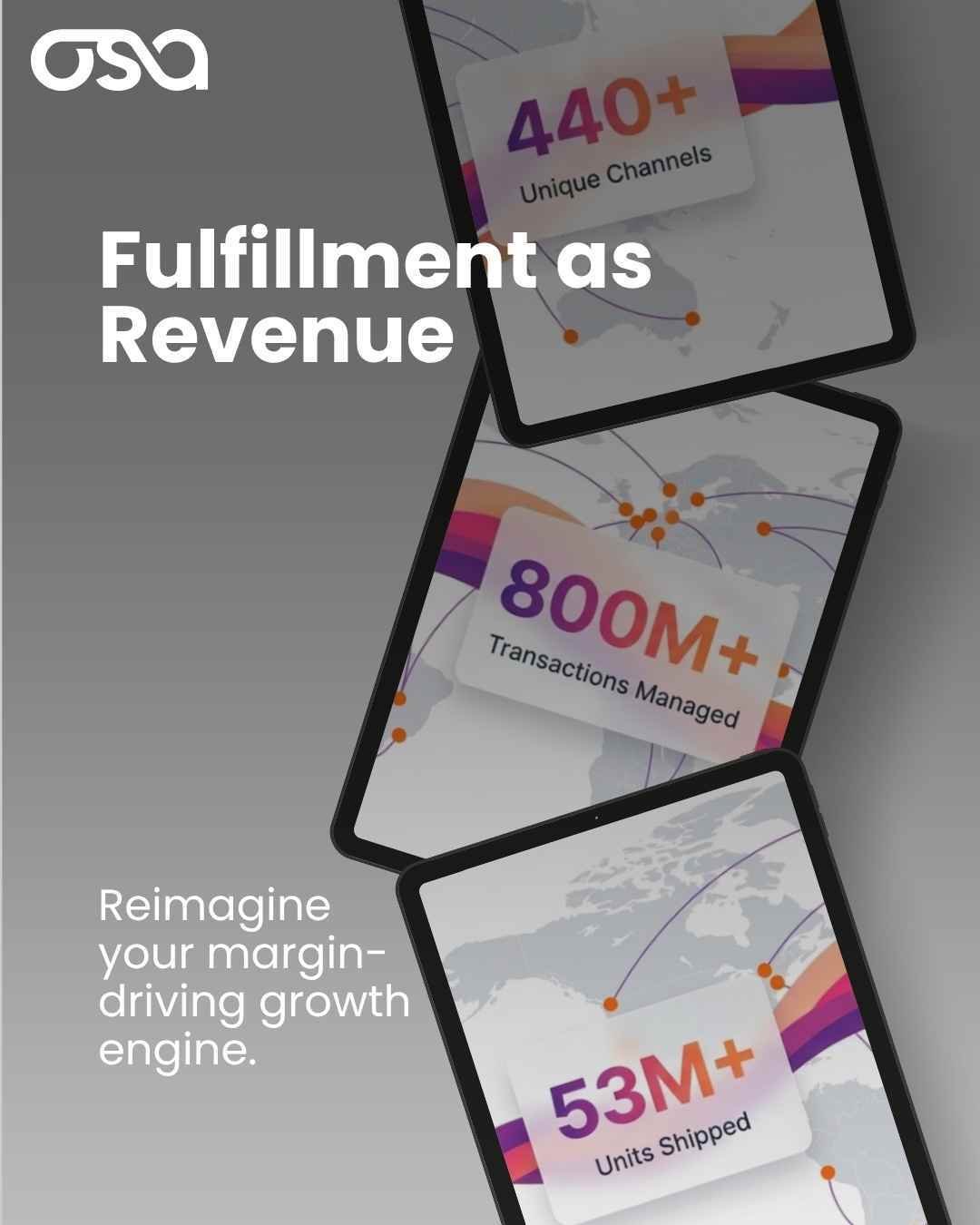
5. Fulfillment as Revenue
For decades, the logistics industry has operated on the premise that the warehouse is where money is spent, not where it is made. Many 3PLs still view operations as a pure cost center—engaging in a race to the bottom on pick, pack, and ship fees just to win contracts.
But as consumer expectations for speed and transparency have skyrocketed, the script has flipped. Fulfillment is no longer just the final step of a transaction—it is the primary driver of customer retention and lifetime value. When 3PLs shift their view of fulfillment to a revenue strategy, they stop competing on price and start competing on performance, and become an indispensable growth engine for your clients.