

 Osa Commerce
In today's complex logistics landscape, lack of real-time supply chain visibility leads to operational blind spots that cost businesses millions in chargebacks, inventory inaccuracies, and missed delivery commitments—but connected visibility platforms are transforming how industry leaders achieve resilience and growth.
The Hidden Costs of Operating Without Real-Time Supply Chain Transparency
If you’re a third-party logistics (3PL) or brand operating without real-time visibility, you’re already paying for it—through delays, errors, and hidden costs that chip away at margins and trust.
Today’s supply chains are too complex for disconnected systems. When your warehouse management systems (WMS), order management platforms (OMS), and enterprise resource planning (ERP) solutions don’t sync, critical data gets stuck, forcing teams to rely on manual workarounds that slow everything down and introduce mistakes.
The result? Missed SLAs, inaccurate inventory, rising chargebacks—and growing inefficiencies that hold back your ability to scale.
These aren’t isolated problems. They’re clear signs of a bigger issue: the lack of unified commerce and collaborative visibility. And here’s the kicker—these inefficiencies compound. What starts as a small data gap quickly turns into:
-
Revenue lost from stockouts
-
Capital tied up in excess inventory
-
Expedited shipping costs eating margins
- Strained retail relationships
How Unified Visibility Platforms Transform Disconnected Operations Into Strategic Assets
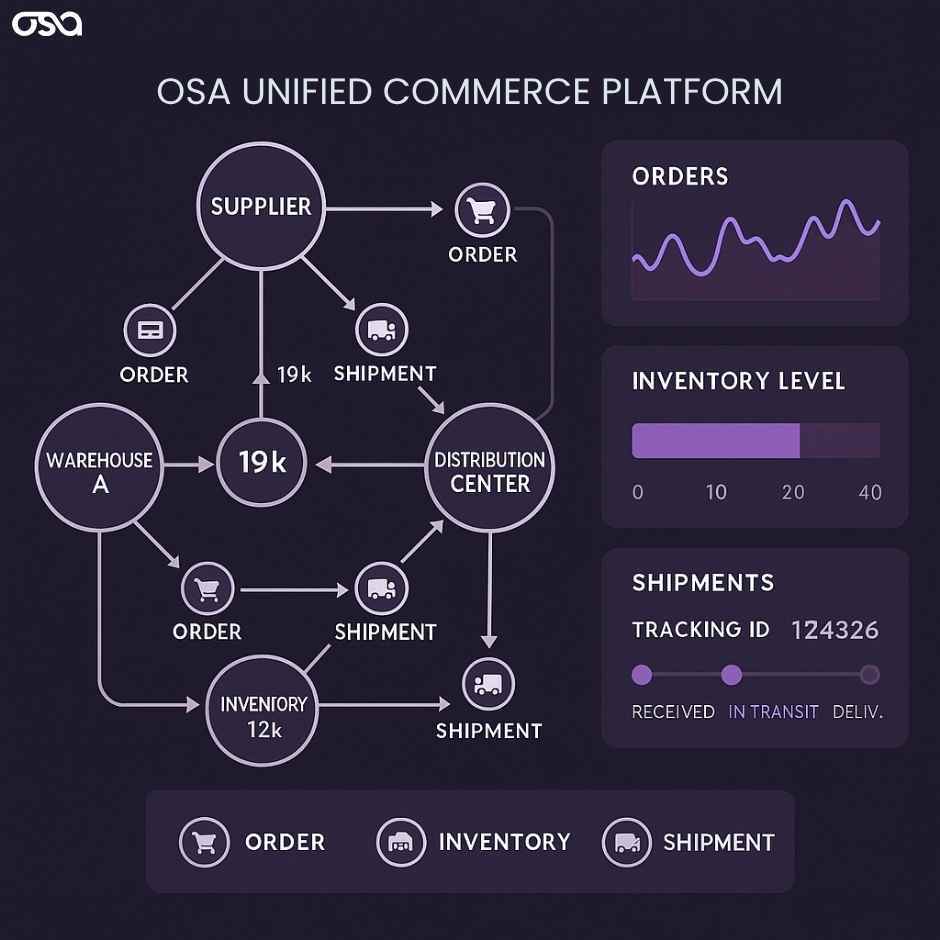
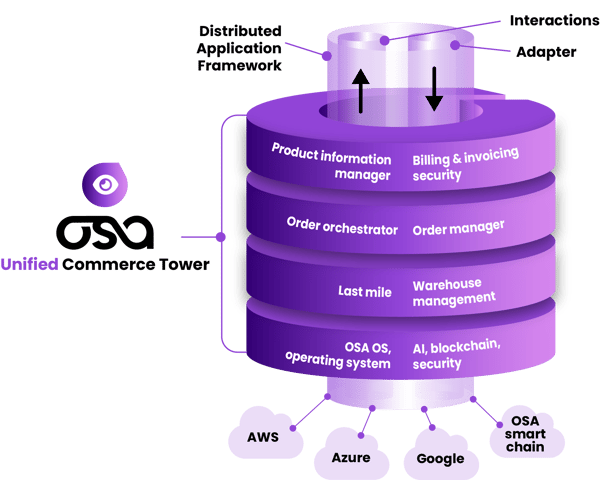
Unified Commerce Platforms (UCP) represent a fundamental shift in how organizations approach supply chain visibility. Instead of forcing disparate systems to communicate through brittle point-to-point integrations, these platforms create a centralized single source of truth that connects every element of the commerce ecosystem. Real-time data flows seamlessly across warehouse operations, order management, inventory tracking, and shipping execution, eliminating the information silos that have historically constrained operational performance.
The transformation extends beyond simple data consolidation. Artificial Intelligence (AI) capabilities embedded within unified platforms analyze patterns across the entire supply chain network, identifying optimization opportunities that remain invisible to traditional systems. Automated order orchestration routes fulfillment requests to the optimal location based on inventory availability, shipping costs, and delivery timeframes. Smart routing algorithms continuously adapt to changing conditions, ensuring that operational decisions reflect current reality rather than outdated assumptions.
.jpg?width=940&height=695&name=Transform%20Disconnected%20Operations%20(1).jpg)
Why This Matters Right Now
This is where Unified Commerce Warehouse Management Systems (WMS) come in. Instead of stitching together disconnected tools, modern platforms create a single, real-time source of truth across your entire operation. That means:-
Inventory accuracy across every node
-
Smart order routing based on real conditions
-
Faster onboarding for new brand partners
-
Shared visibility across 3PLs, brands, and retailers
3PLs that embrace this shift don’t just operate better—they become strategic partners. And brands? They gain confidence knowing their supply chain won’t break under pressure.
Real-Time Tracking Capabilities For Inventory Accuracy and Order Fulfillment Excellence
End-to-end tracking gives 3PLs the operational foundation and visibility to actually run their supply chain with confidence. When you can see inventory across warehouses, in transit, and at distribution points in real time, you make faster, smarter decisions—without second-guessing.
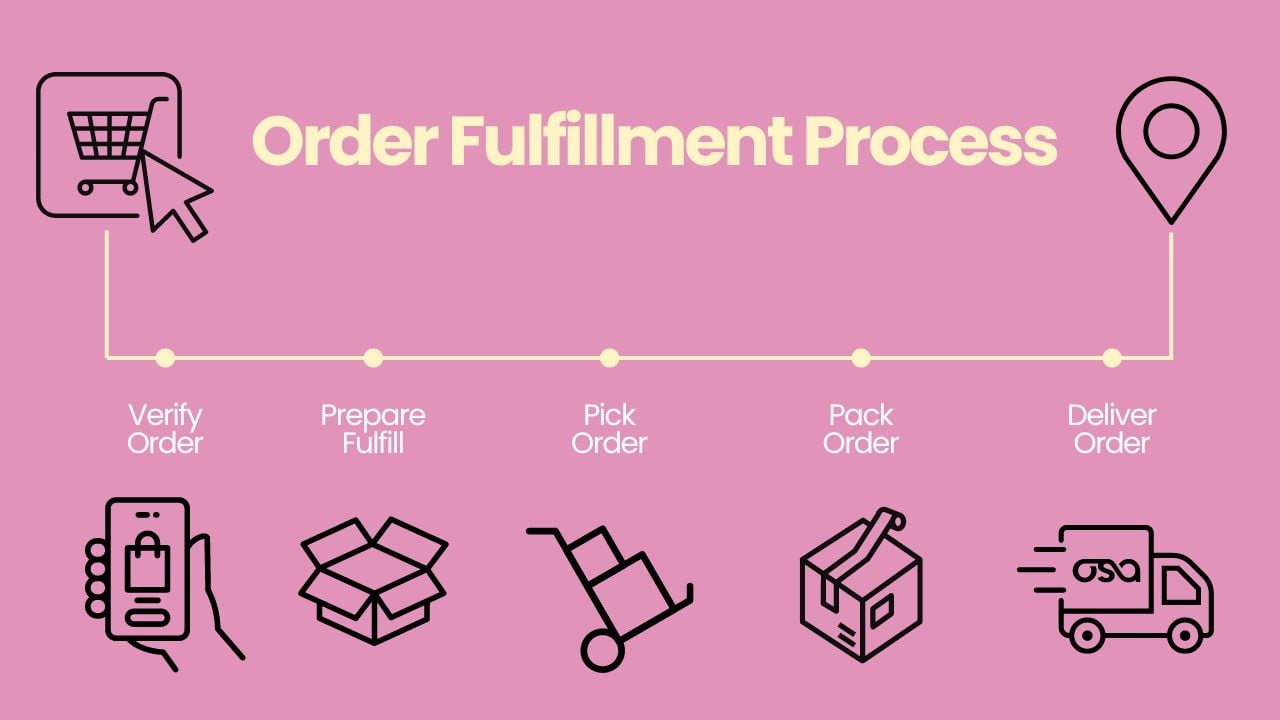
Inside the warehouse, operations benefit from granular visibility, resulting in smoother operations. From receiving to shipping, every step is tracked. Cloud-based warehouse management systems (WMS) integrated with unified commerce platforms keep inventory accurate across channels down to the lot and serial levels, help teams batch orders more efficiently, and even support automation—so you move faster without sacrificing accuracy.
And the impact is real. Teams with strong visibility consistently hit near-perfect inventory accuracy, reduce fulfillment times, and keep customers informed every step of the way. Fewer stockouts, fewer errors, better experiences.
Over time, the gains stack up—turning operations into a competitive advantage instead of a constant source of friction.
Why This Matters right Now
When you have true end-to-end visibility, everything tightens up:
-
Inventory accuracy climbs toward 99%
-
Order cycle times shrink
-
Customers stay informed (and satisfied)
Real-time tracking delivers real-time results, so 3PL warehouses become proactive rather than reactive. Stop firefighting and start optimizing.
Preventing Chargebacks with Smarter Visibility and Compliance Monitoring
Retail compliance is one of the biggest (and most expensive) risks for brands and 3PLs. Every retailer has different rules—and managing them manually almost guarantees mistakes, which lead to chargebacks and strained relationships.
The smarter approach? Automate it.
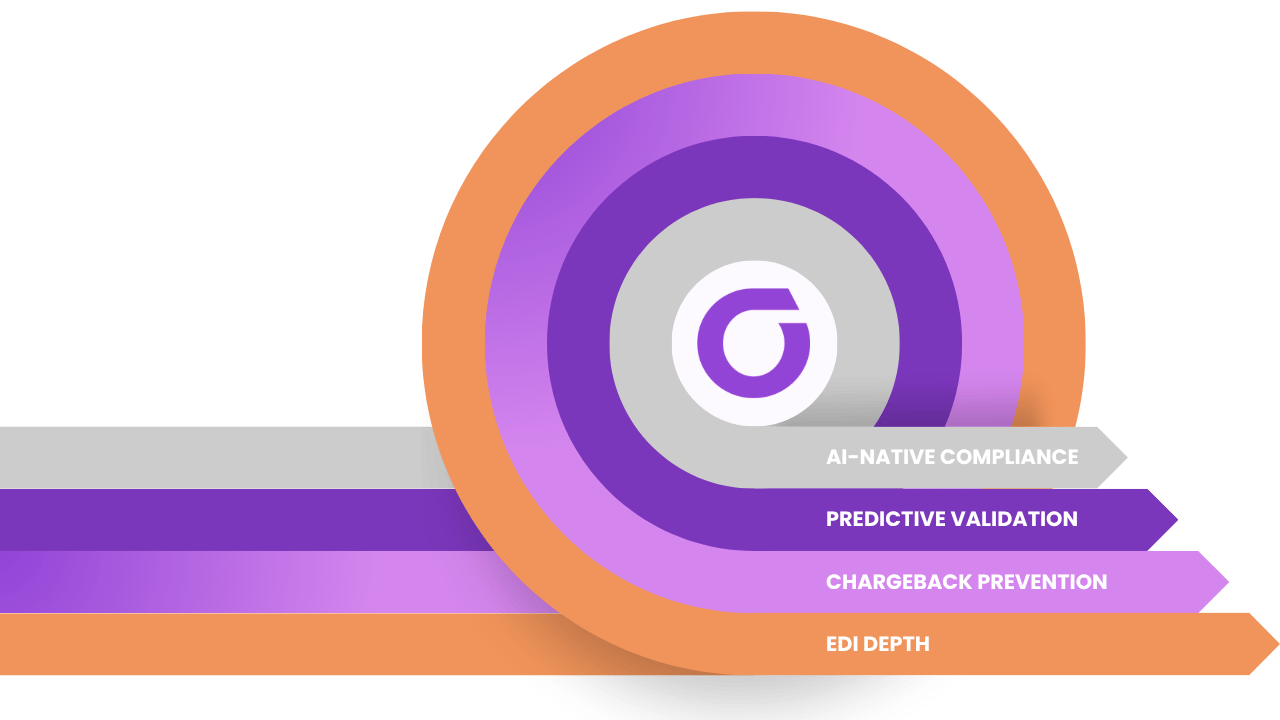
AI Retail Compliance solutions transform complex retailer requirements into clear, actionable rules. By automatically converting retailer routing guides and compliance manuals into machine-readable policies, unified commerce platforms monitor every shipment against the destination retailer's specific requirements, identifying potential violations before products leave the warehouse—so 3PLs do not pay for preventable errors.
End-to-end shipment visibility proactively keeps everything in check across the entire logistics network, including real-time carrier performance, delivery appointment adherence, and proof-of-delivery documentation. Automated alerts notify relevant teams immediately when shipments deviate from planned routes or encounter delays, and comprehensive audit trails provide documentation for disputed chargebacks, ensuring compliance with retail partners.
Osa AI Retail Compliance
Why This Matters Right Now
Retail compliance is where many brands and 3PLs quietly lose millions. Every retailer has different requirements—and manually managing them is a losing game.
With AI-driven compliance and real-time monitoring:
-
Errors are caught before shipment
-
Teams are guided through fixes instantly
-
Documentation is automated and audit-ready
The result? Fewer chargebacks, stronger scorecards, and better retailer relationships.
Building a More Resilient, Future-Ready Supply Chain
Predictive analytics help supply chains move from reacting to problems to staying ahead of them. By improving visibility, 3PLs can significantly cut costs and boost resiliency through data-driven ecosystems and proactive management. By analyzing historical data and real-time signals, logistics providers have a clear view of what’s coming—making it easier to plan for demand shifts, spot risks early, and make smarter decisions faster.
With AI-driven performance dashboards, 3PLs can track key metrics such as fill rates, inventory turnover, and shipping accuracy in real time. Automated alerts notify relevant stakeholders when performance metrics deviate from established thresholds, enabling rapid response to emerging issues.
This becomes especially valuable during peak seasons or unexpected disruptions. Instead of scrambling, teams can proactively adjust inventory, labor, and routing.
The result? A supply chain that’s not just responsive—but resilient, reliable, and ready for whatever comes next.
Why This Matters Right Now
Disruptions aren’t going away. Demand spikes, carrier delays, and market shifts are the norm now.
The difference is how prepared you are.
With predictive analytics and performance intelligence layered into your Unified Commerce WMS, you can:
-
Anticipate demand changes
-
Adjust inventory and labor proactively
-
Reroute shipments dynamically
This is what resilience actually looks like—not reacting faster, but being ready before issues hit.
Achieving Unified Visibility
Supply chains that still rely on fragmented systems and delayed data are operating at a disadvantage.
But the opportunity is just as real.
By investing in the Osa Unified Commerce Platform with built-in Warehouse Management System (WMS) and collaborative integrations, you’re not just fixing inefficiencies—you’re unlocking growth, trust, and long-term competitive advantage.
And in today’s environment, that’s not optional. It’s urgent. Reach out to an Osa Commerce expert to learn more.