

 Osa Commerce
In this guide
Modern supply chains demand real-time visibility, unified data flows, and intelligent orchestration to meet customer expectations and drive profitability across logistics and retail operations.
Key Takeaways
- Logistics operations need a resilient, scalable, and cloud-native foundation at their core.
- A strong core foundation automatically captures every billable event, preventing revenue leakage.
- Custom integrations have been a top bottleneck to growth, taking months to deploy.
- Client self-serve portals remove the friction of manual email updates and build deep trust.
In this guide
The Hidden Cost of Fragmented Supply Chain Systems
The race for third-party logistics (3PL) providers to meet the demands of the hyper-fast retail environment is still up for grabs.
Technology has become the competitive advantage that bridges the crucial gap between physical warehouse execution and the digital selling channels used by growing brands and retailers. Yet, these fragmented systems create invisible costs that compound daily across logistics operations.
For 3PLs managing multiple clients across diverse retail channels, these gaps translate to manual reconciliation, billing disputes, and operational blind spots that prevent profitable scaling. Manual errors that cascade throughout the entire supply chain—from inaccurate inventory counts causing stockouts to compliance failures triggering costly retailer chargebacks.
This responsiveness gap directly impacts customer satisfaction and the ability to compete against more technologically advanced logistics providers.
How are modern logistics providers expected to outpace the competition?
The Modern 3PL Tech Stack
The unfortunate truth is that disconnected systems force teams into reactive firefighting mode rather than strategic planning.
Whether you're a Director of Logistics striving to hit tighter fulfillment SLAs or a C-Suite executive focused on scaling revenue, relying on outdated software is a fast track to irrelevance. Shippers and merchants no longer just want storage space and cheap shipping rates; they want a transparent, proactive technology partner who acts as a seamless extension of their own business.
Without a single source of truth connecting manufacturing, inbound inventory, warehouse operations, shipping, and delivery, 3PLs lack the visibility needed to identify optimization opportunities or respond proactively to disruptions.
The Four Essential Pillars
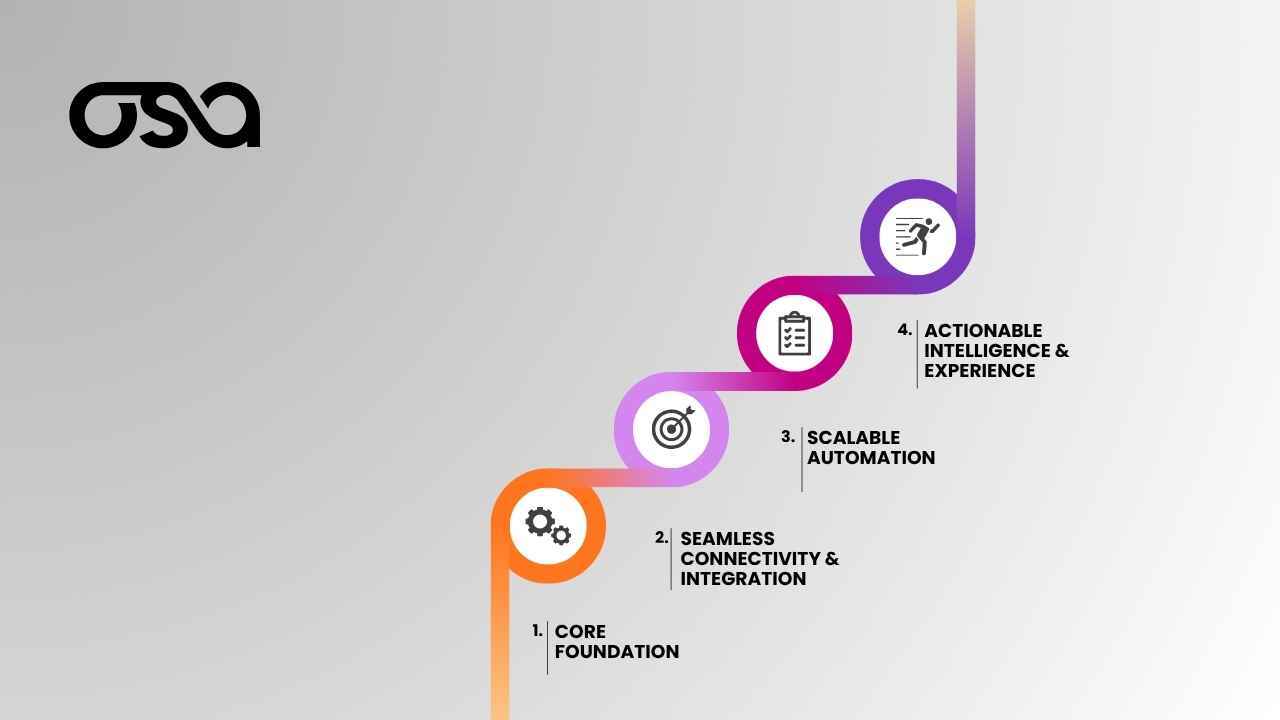
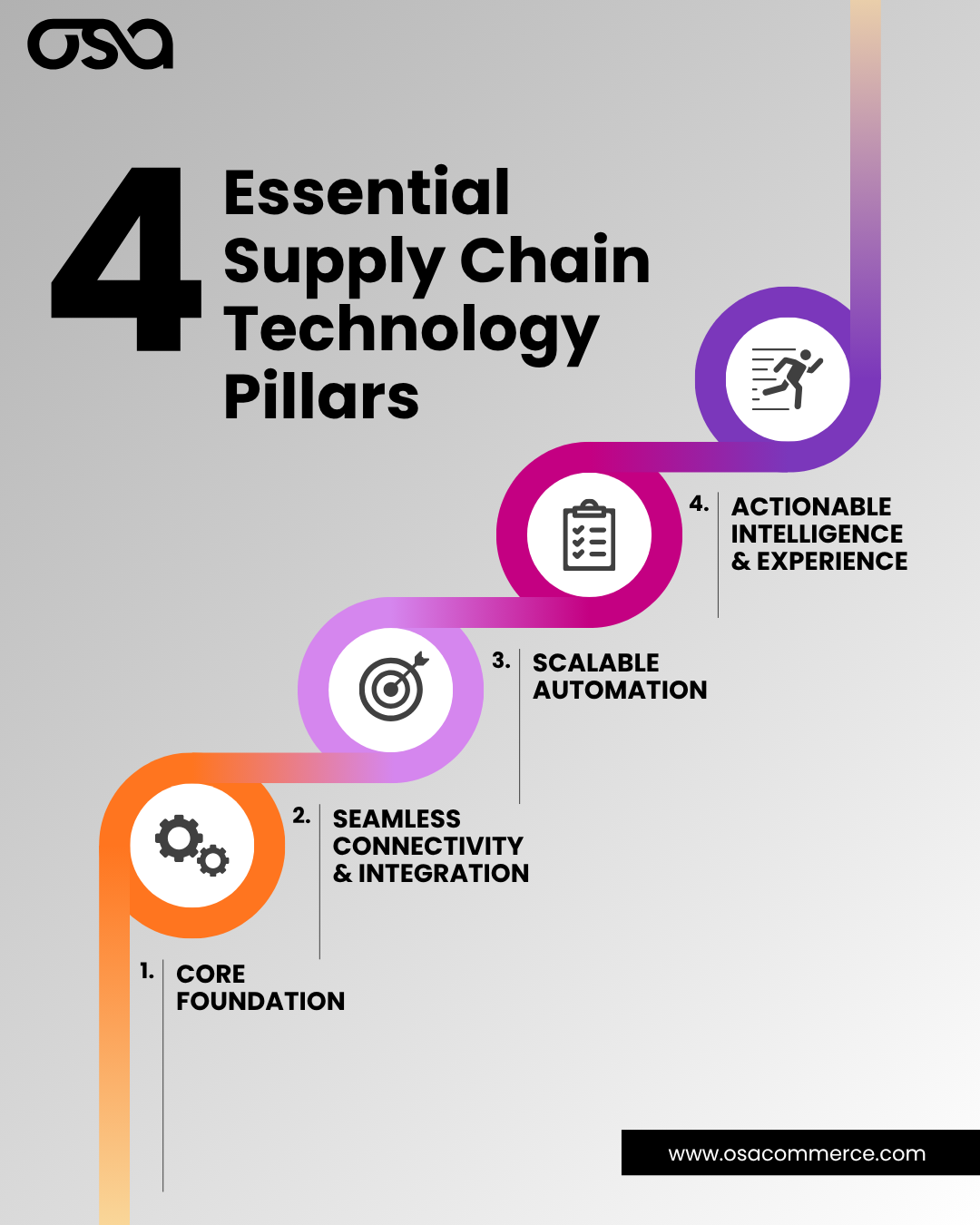
But what actually makes up a competitive tech stack? To truly stand out in a crowded market, 3PLs must build their technology infrastructure around four critical pillars.
How to Outpace the Competition
Sustainable growth in logistics operations requires infrastructure that scales efficiently without proportional increases in complexity or cost.
Successful 3PLs require:
-
A Core Foundation
-
Seamless Connectivity & Integration
-
Scalable Automation
-
Actionable Intelligence & Experience

1. A Core Foundation
The bedrock of any high-performing logistics operation is a resilient, scalable, and cloud-native foundation. At the center of this foundation is a Warehouse Management System (WMS).
A modern WMS goes far beyond being a basic digital ledger for tracking pallets and bins. It is a strategic operational engine designed to execute complex, high-velocity workflows effortlessly. When upgrading your core foundation, look for technology that masters the following:
-
Multi-Client Architecture: The ability to seamlessly manage distinct workflows, custom packaging rules, and unique service-level agreements (SLAs) for dozens of different brands under a single roof. Complete data separation ensures privacy while maintaining a unified interface for your warehouse team.
-
Inventory Accuracy and Visibility: High-performing systems utilize real-time cycle counts, barcode scanning, and instant stock alerts to boost inventory accuracy up to 99%. This prevents costly stockouts, eliminates "ghost" inventory, and keeps your clients' sales channels fully synced.
-
Dynamic, Error-Free Billing: Tracking 3PL billable activities across a diverse client roster is historically a nightmare. A strong core foundation automatically captures every billable event—from storage and receiving to pick-and-pack and kitting fees—preventing revenue leakage and disputes.
2. Connectivity and Integration
The most robust core foundation is useless if it exists in an isolated silo. Fast-growing ecommerce brands sell across multiple channels (Shopify, Amazon, TikTok Shop) and rely on sophisticated ERPs. The ability to integrate the warehouse floor directly into a digital ecosystem is often the deciding factor in winning new business.
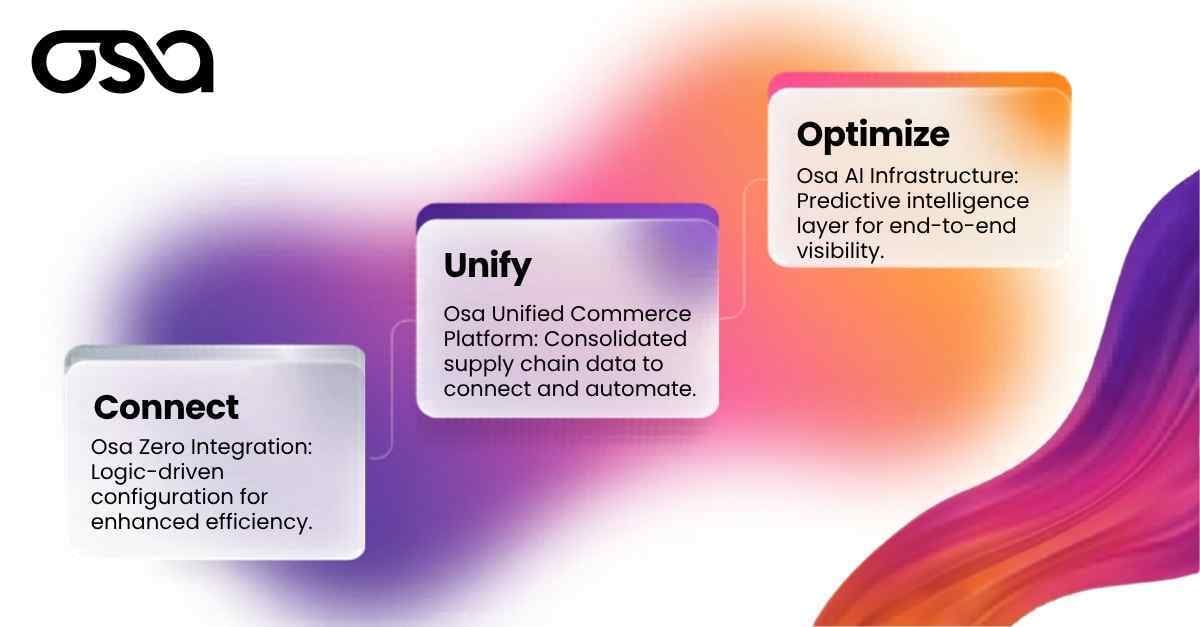
Historically, custom integrations have been the number one bottleneck to 3PL growth. They take months to deploy, eat into margins, and break every time a platform updates its API schema. To remain competitive, modern 3PLs are shifting away from brittle custom code and leveraging advanced configurable integrations like Osa Zero Integration Management.
By utilizing a configurable, unified integration layer, forward-thinking 3PLs can:
-
Slash Onboarding Times: Bring new brands live in a matter of weeks, not months, drastically shortening the time-to-revenue.
-
Eliminate IT Dependencies: Say "yes" to complex prospective clients without waiting on expensive external developers to write one-off code.
-
Achieve Unmatched Resilience: Maintain "upgrade-safe" connections that don't shatter when an ecommerce platform changes its underlying architecture.
Connectivity ensures that the digital flow of information is just as fast and reliable as the physical movement of boxes.

3. Scalable Automation
Automation is no longer a futuristic luxury; it is a baseline requirement to protect your margins against rising labor and overhead costs. While hardware automation (like robotics and conveyors) is valuable, software automation is where the most immediate ROI lives.
A competitive tech stack automates repetitive operational workflows to free up human capital for higher-value problem-solving. This shift allows logistics providers to process exponentially higher order volumes without proportionally increasing administrative headcount. Key automation touchpoints include:
-
Intelligent Order Routing: For 3PLs with multiple nodes, automation can parse incoming orders and route them to the fulfillment center closest to the end consumer, saving valuable transit days and slashing last-mile shipping costs.
-
Fulfillment Workflows: Generate optimized pick paths, trigger label creation, and dispatch real-time carrier updates without human intervention.
-
Returns Management (Reverse Logistics): Automate the authorization, tracking, and restocking of returned goods, turning a traditionally messy process into a smooth, trackable workflow.
4. Actionable Intelligence & Experience
A successful 3PL tech stack doesn’t just record what happened yesterday; it orchestrates what is happening today and predicts what will happen tomorrow. Operational data is your most valuable asset, but raw data alone doesn't drive growth. You need an intelligence layer to translate data into actionable insights, fueling a strategy of Unified Commerce.
Unified Commerce breaks down the traditional barriers between sales channels, supply chain planning, and logistics execution to provide complete end-to-end visibility. For a 3PL, this means delivering an unmatched, proactive experience to your brand partners through:
-
Predictive Analytics: Utilizing AI to help clients forecast demand, plan inventory replenishment across regional warehouses, and prepare intelligently for peak seasons.
-
Client Autonomy via Portals: Giving goods owners self-serve, 24/7 access to live inventory statuses, returns tracking, and shipment delays. This transparency eliminates the friction of manual email updates, builds deep trust, and increases long-term client retention.
-
Proactive Exception Management: Automatically flagging supply chain anomalies—such as a regional carrier delay or a sudden viral spike in order volume—so your team can address the issue before it impacts the end consumer.
Ready to Scale With Demand?
The logistics landscape is evolving rapidly, and the technology that got your 3PL to where it is today won't be the technology that gets you to the next level. By prioritizing a core WMS foundation, agile integration management, intelligent automation, and a unified commerce experience, you can transform operations from a simple cost center into a strategic growth partner for your clients.
Are you ready to transform your 3PL operations and win more business? Audit your current tech stack today and explore how upgrading to a unified, connected, and automated infrastructure can unlock your next phase of scalable growth.