


 Osa Commerce

Optimizing your supply chain technology infrastructure delivers measurable ROI through enhanced operational efficiency, real-time visibility, and seamless integration across your entire logistics ecosystem.
In this guide
In this guide
Why Your Supply Chain Tech Stack Matters More Than Ever
Today’s supply chains move at lightning speed, fueled by customer expectations for same-day shipping, real-time updates, and flawless order fulfillment.
The problem? Many businesses are trying to run modern logistics operations on outdated technology. It’s like trying to win a Formula 1 race with a bicycle. Sure, you might move forward eventually, but you’ll get left behind fast.
A strong supply chain tech stack can improve visibility, reduce operational costs, eliminate bottlenecks, and help businesses scale without chaos. Whether you’re a growing brand, retailer, manufacturer, or 3PL provider, the right technology setup can become your competitive advantage.
Let’s break down the top five ways to improve your supply chain tech stack and future-proof your operations for collaborative visibility.
The Rising Complexity of Modern Supply Chains
Modern supply chains must be interconnected. Inventory moves across warehouses, ports, carriers, suppliers, and fulfillment centers worldwide. A single delay at a node can trigger a domino effect across the entire network.
Add rising customer expectations, labor shortages, inflation, and geopolitical disruptions into the mix, and suddenly supply chain management becomes less about moving boxes and more about orchestrating a massive digital ecosystem.
That’s why technology matters more than ever.
The Cost of Outdated Systems
Old systems don’t just slow operations down — they actively cost your business money.
Disconnected platforms lead to:
-
Inventory inaccuracies
-
Delayed shipmenta
-
Manual data entry errors
-
Poor forecasting
-
Customer dissatisfaction
-
Higher operational costs
Many companies don’t realize how much inefficiency is hidden in their workflows until they modernize their systems and see the difference firsthand.
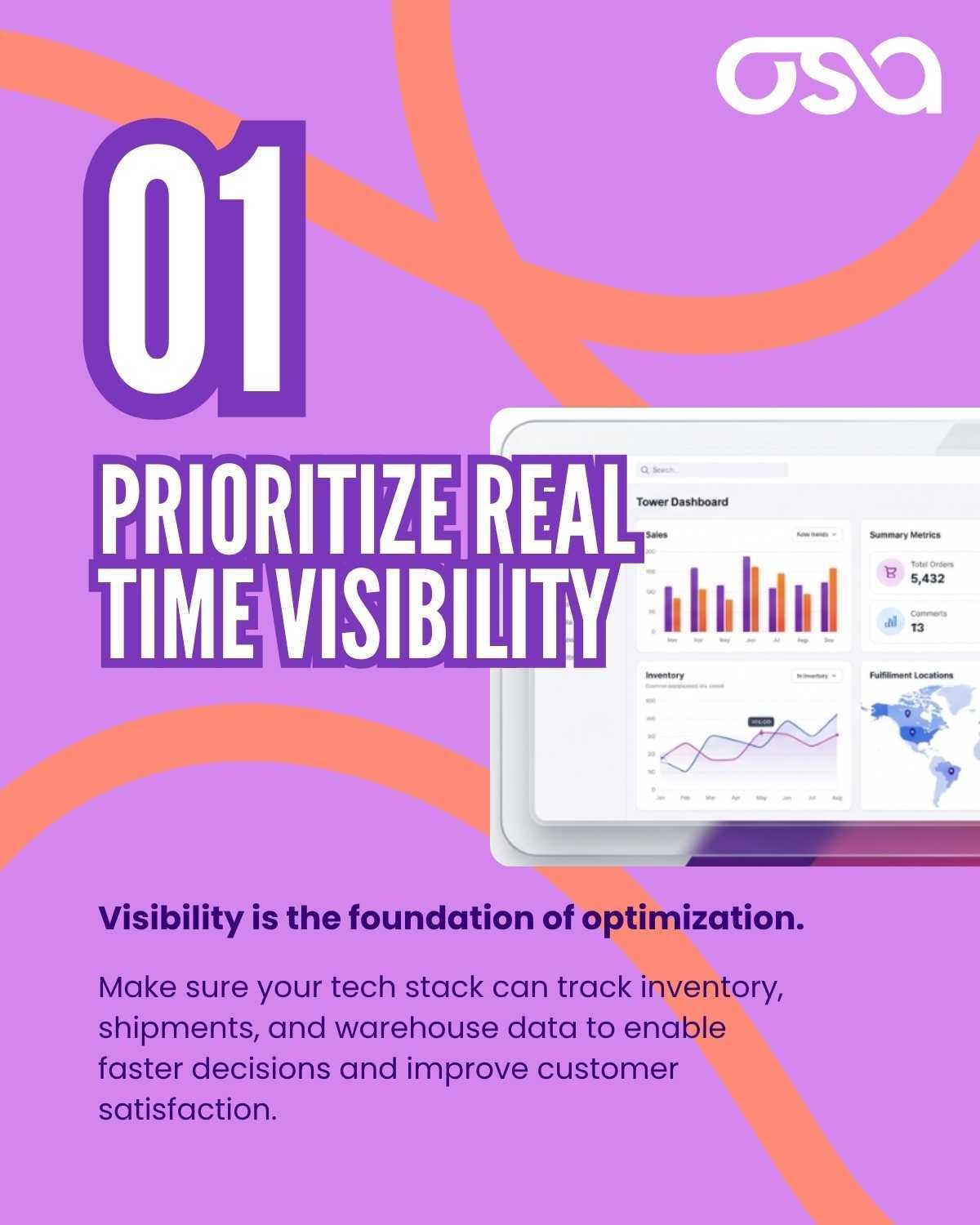
Tip 1: Prioritize Real-Time Visibility Across Operations
Key Metrics to Monitor
Some of the most important metrics include:
-
Inventory accuracy
-
Order fulfillment rates
-
On-time-in-full (OTIF) deliveries
-
Transportation lead times
-
Warehouse productivity
-
Backorder frequency
Tracking these metrics in real time allows teams to identify problems before they become disasters.
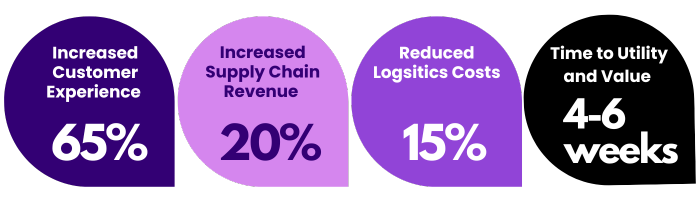
Tip 2: Integrate Your Systems Instead of Adding More
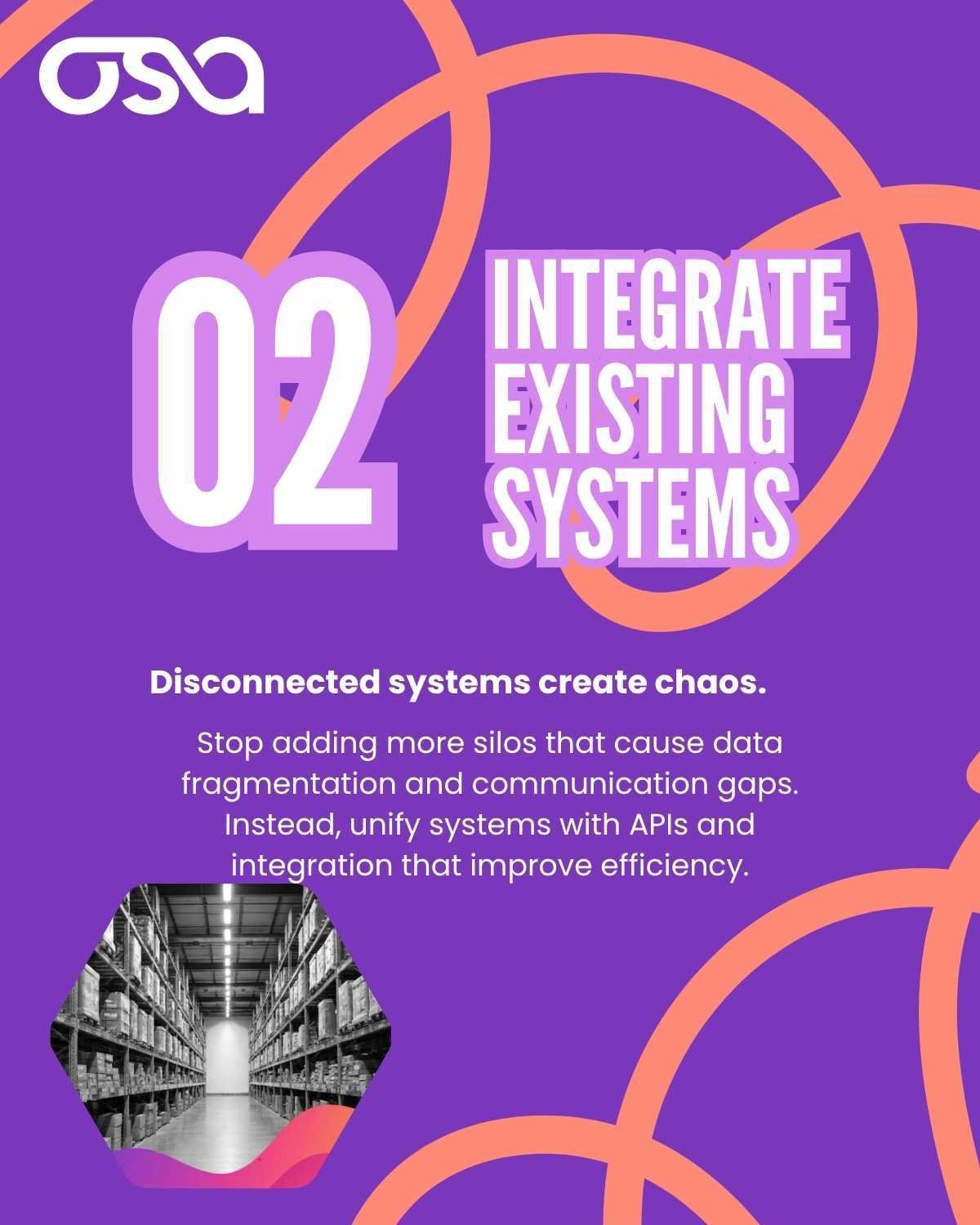
The result? Data silos everywhere. Hours and hours of wasted time manually transferring information between systems, increasing errors, and reducing productivity.
How APIs and Integrations Improve Efficiency
A connected tech stack creates a single source of truth.
Modern integrations and APIs allow systems to communicate automatically, sharing real-time data across departments.
For example:
-
Your warehouse management system updates inventory instantly
-
Your transportation platform receives shipping data automatically
-
Your customer service team sees order status updates in real time
Instead of fragmented workflows, operations become synchronized—that is where efficiency lives.
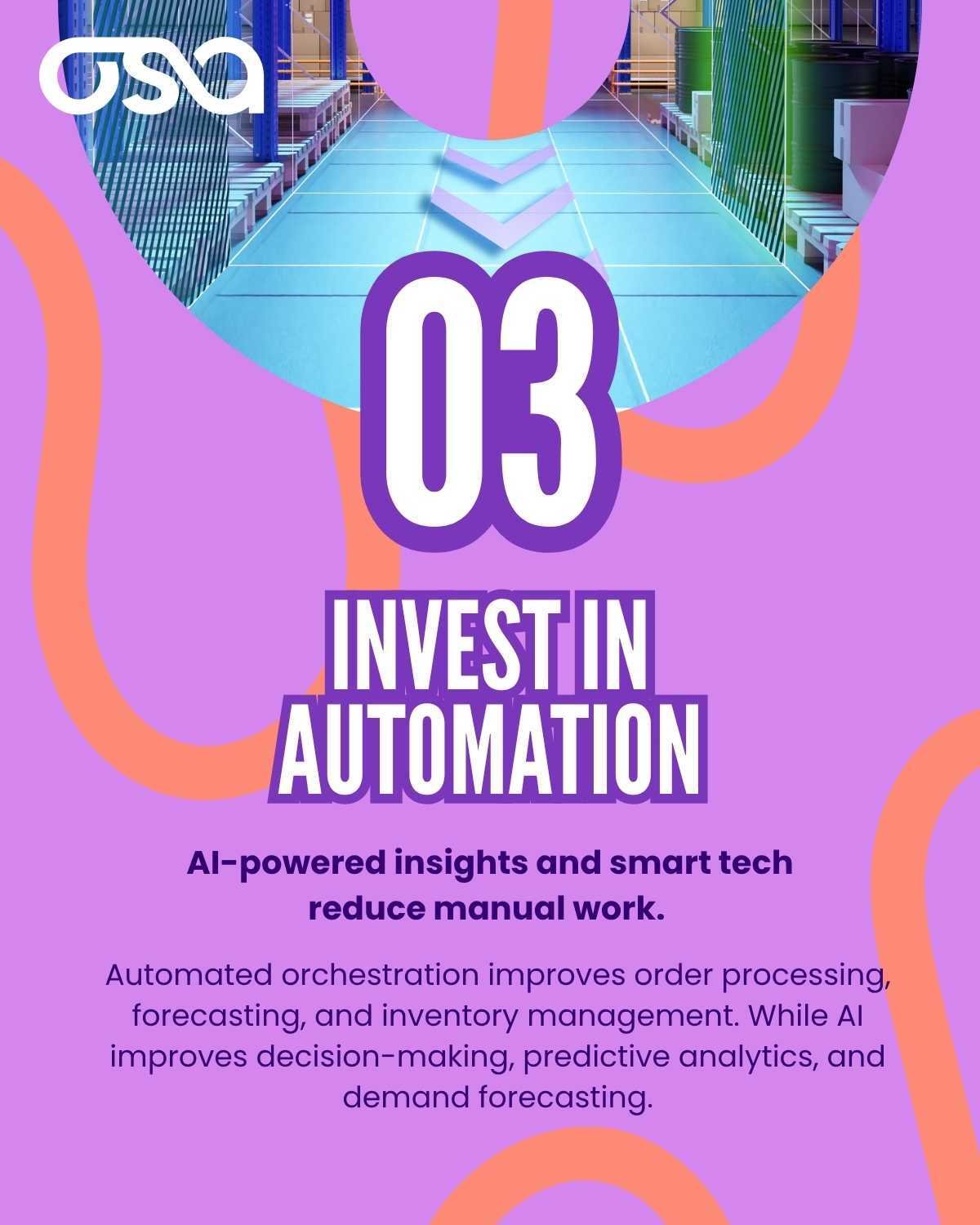
Tip 3: Invest in Automation and AI-Powered Insights
How AI Improves Decision-Making
Artificial intelligence is becoming a major competitive advantage in supply chain management. AI-powered Unified Commerce platforms can analyze massive amounts of operational data and identify patterns humans would miss.
For example, AI can help businesses:
-
Predict inventory shortages
-
Optimize delivery routes
-
Detect operational bottlenecks
-
Improve procurement decisions
It’s like having a digital control tower constantly scanning for risks and opportunities. Companies embracing AI today are positioning themselves ahead of competitors still relying on intuition alone.
Tip 4: Choose Scalable and Flexible Technology
Why Scalability Matters
Supply chain businesses won't look the same in two years. That’s why scalability matters.
The biggest issue? So many businesses choose software to solve immediate pain points without considering whether they will fail as they grow. As order volumes increase, warehouses expand, and customer expectations evolve, inflexible systems become operational roadblocks.
Scalable, tech-agnostic technology grows with your business rather than limiting it.
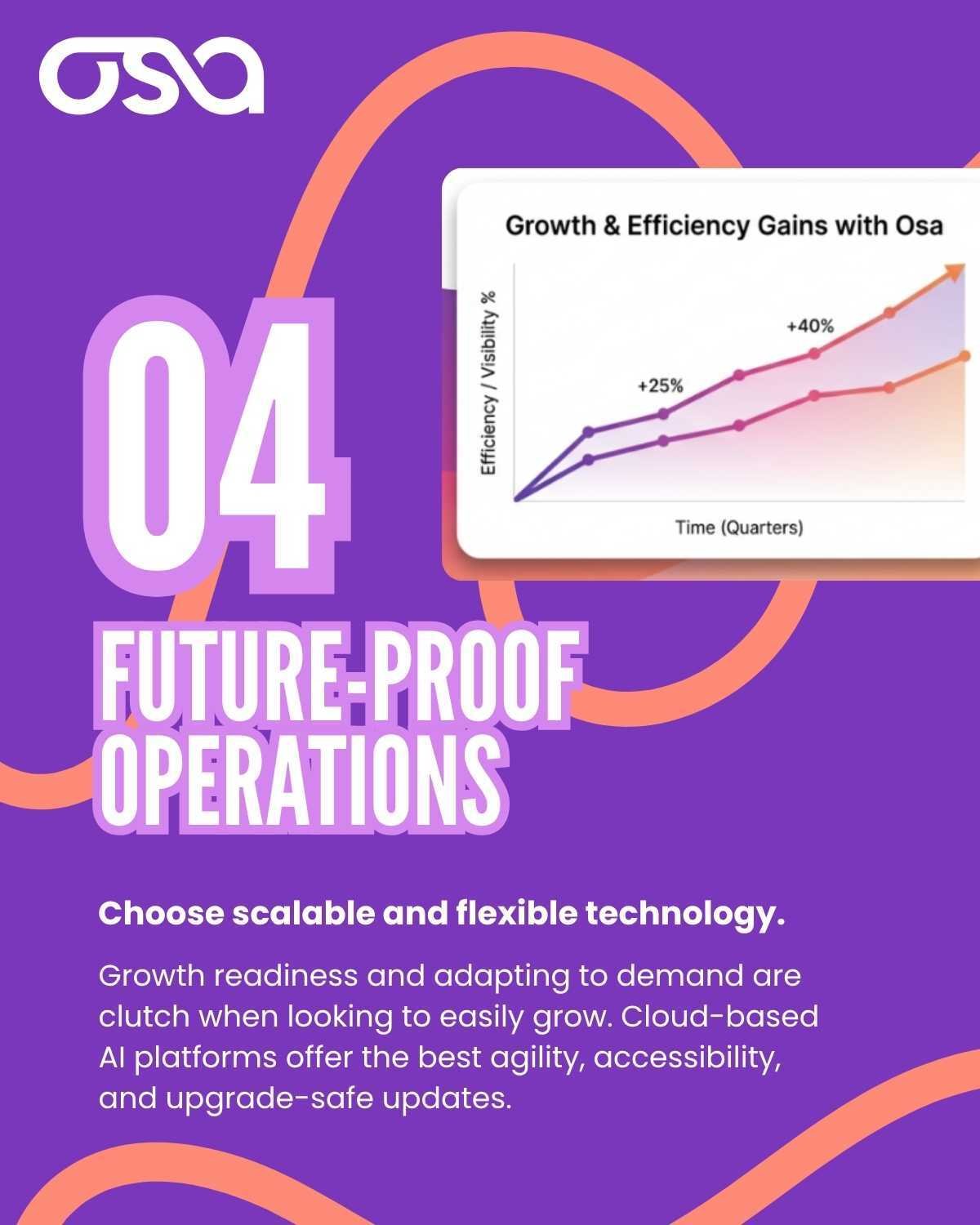
Legacy systems often require expensive maintenance, lengthy upgrades, and rigid architecture. While Cloud platforms are designed for agility. And in supply chain management, agility is everything.
Tip 5: Stop Chasing Trends Without Strategy
Not every shiny new technology is worth investing in.
The idea is to invest in new technologies to solve operational problems—not simply because competitors are doing it. But the ultimate goal is to adopt innovative solutions such as AI, blockchain, or automation tools not only to solve issues but also to support business goals—not distract from them.
Before investing, determine the problem you are solving, the ROI you expect, whether it will integrate with existing systems, and whether teams can realistically adopt it.
Strategy must come before software.
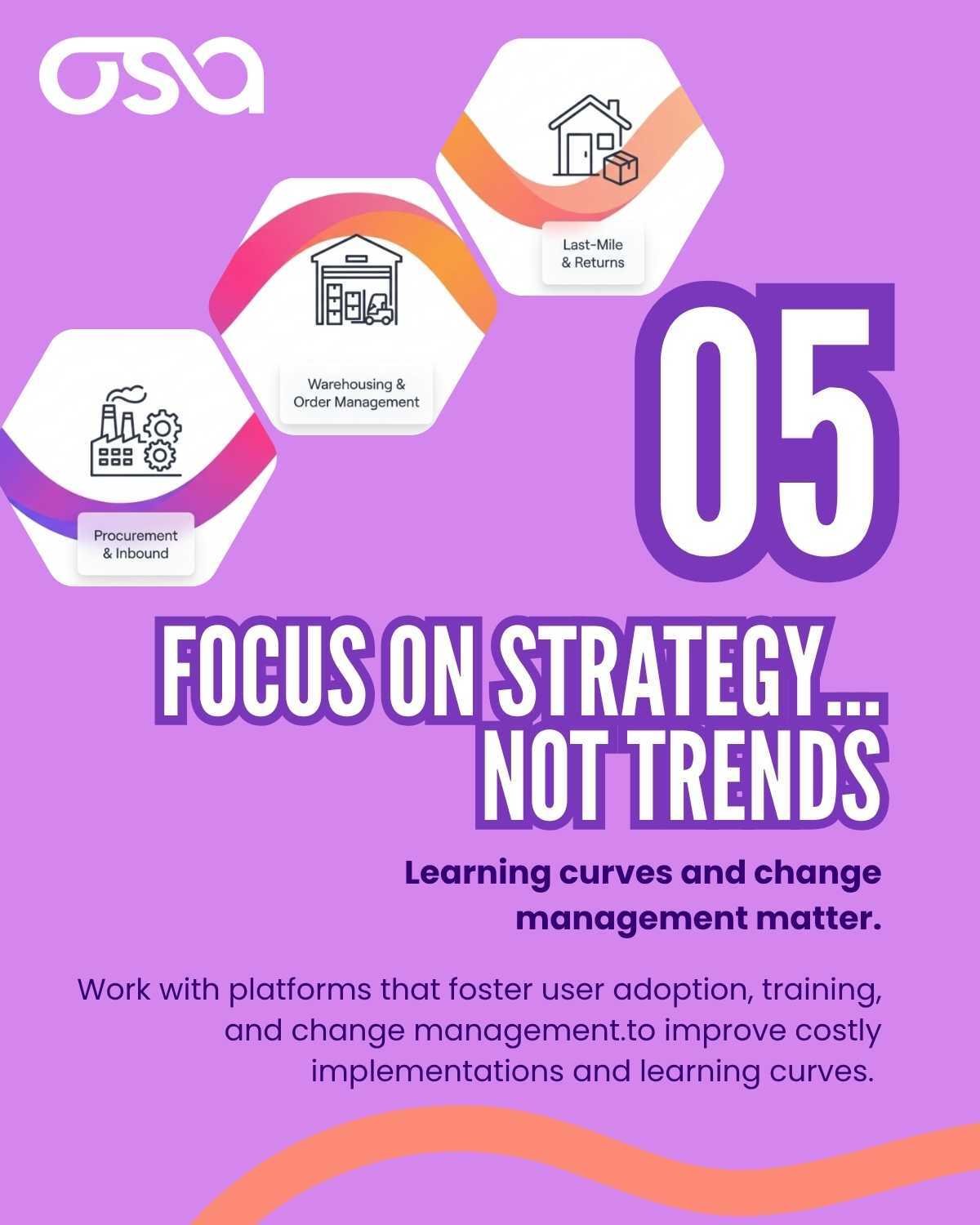
The easier you make adoption, the faster your organization sees ROI.
The Future of Supply Chain Technology
Improving your supply chain tech stack isn’t about chasing every new trend or buying the most expensive software. It’s about building a connected, scalable, and intelligent operational foundation that supports long-term growth.