

5 min read

Optimizing High-Volume Operations With E-commerce WMS Software

Transform multi-client operations from chaotic to controlled this peak season with an intelligent Warehouse Management System (WMS) that unifies data, eliminates manual errors, and scales seamlessly when demand spikes. 

Why Legacy Warehouse Systems Fail 3PLs During Peak Season 

E-commerce managers and fulfillment directors face unprecedented operational challenges. Daily order volumes surge unpredictably, peak seasons compress processing windows, and customer expectations for accuracy and speed keep climbing.

From Chaos to Control

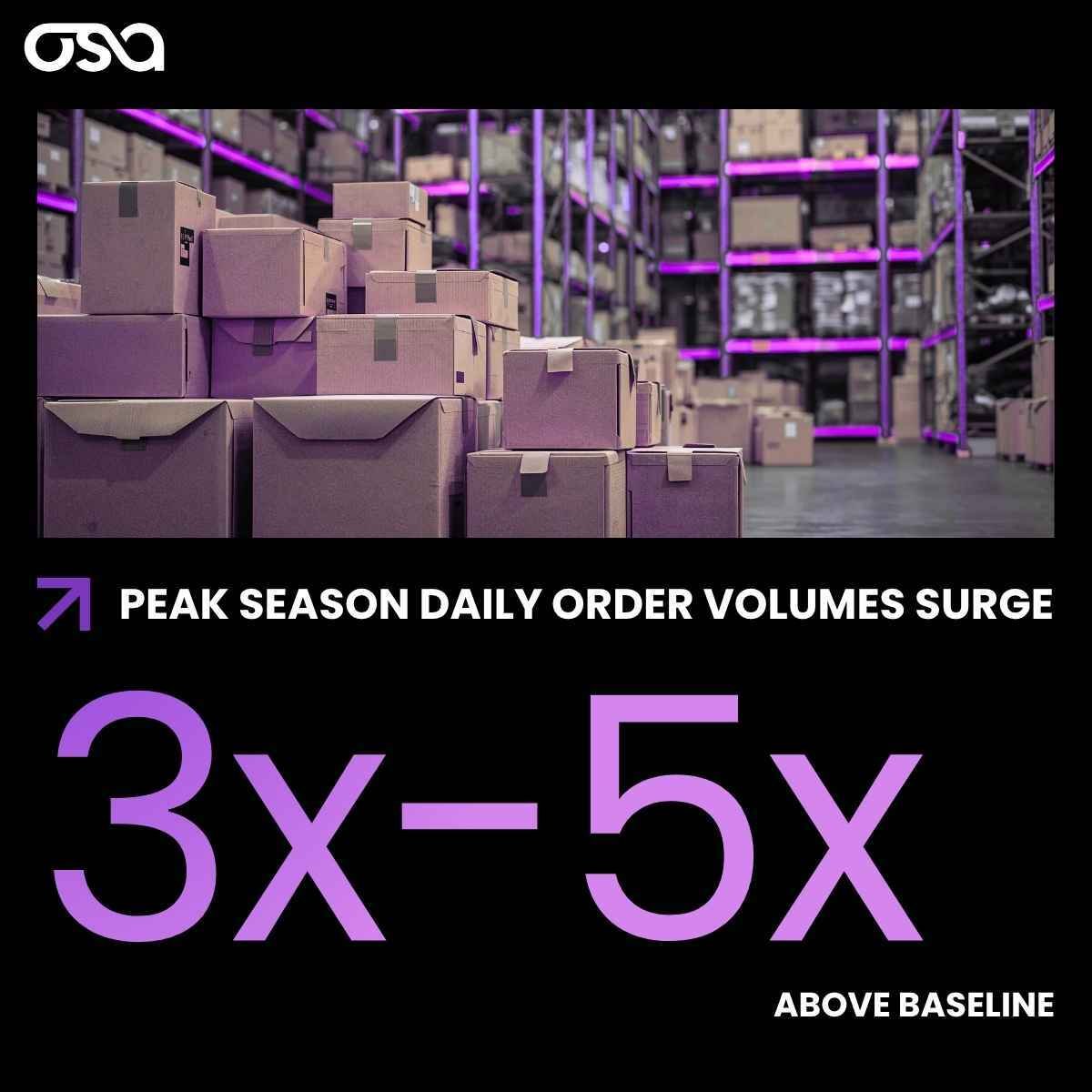
For Third-Party Logistics (3PL) providers, this requires the ability to meet an unparalleled level of complexity each day. When peak season arrives, daily order volumes can surge 3x to 5x above baseline. You aren't just scaling for one brand—you are balancing inventory, service level agreements (SLAs), and routing rules for dozens of distinct clients simultaneously.

Legacy warehouse systems simply weren't built for this. Designed for single-channel, predictable workflows, traditional platforms buckle under peak volume. 

Peak Season Order Volumes Increase 3x-5x

The result is a cascade of inefficiencies that drain 3PL profitability:

  • Data Silos: Point solutions for picking, packing, and shipping operate independently, causing blind spots and data discrepancies across client accounts.

  • Human Error:  Spreadsheet based inventory tracking and manual data entry inevitably lead to mispicks, shipping errors, and costly chargebacks.

  • Labor Strain: With the annual warehouse worker turnover rate hovering around 49%, relying on manual workarounds and tribal knowledge makes onboarding temporary peak-season labor a nightmare.

  • Margin Erosion: Throwing more labor at a broken process balloons your operating costs, turning what should be your most profitable quarter into a financial struggle.

During peak seasons, these challenges compound, turning what should be the most profitable periods into operational crises that strain relationships with both clients and end customers.

Core Capabilities That Protect Margins

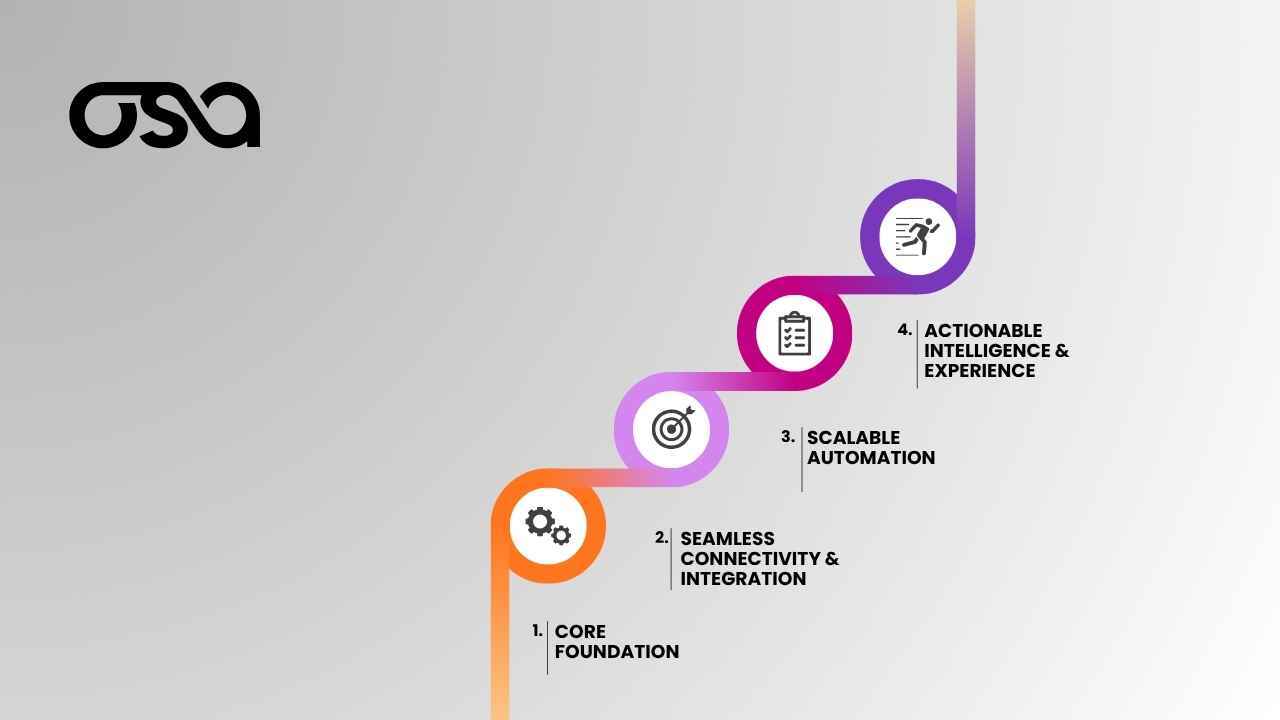
Modern e-commerce WMS platforms fundamentally differ from legacy systems. Instead of operating an isolated point solution, high-performance warehouse management systems serve as a connected operational foundation that unifies inventory, orders, and shipping data across the entire fulfillment lifecycle. 3PLs no longer just need to track boxes but orchestrate across their supply chain ecosystem.

By moving to a unified, cloud-native architecture, 3PLs can turn their fulfillment operations into a major competitive advantage.  As logistics businesses move away from data silos that plague antiquated processes, a single source of truth provided by a unified commerce-enhanced WMS gives 3PLs accurate, real-time decision making.

How 3PLs Can Master Peak Season Fulfillment

High-Performance E-commerce WMS Features

For example, a high-performance WMS arms your 3PL with several critical capabilities:

  • Intelligent Automation: Configurable business logic adapts to each of your clients' unique requirements without custom coding. Automated workflows eliminate manual entry and reduce human error.

  • Dynamic Wave Management: Advanced tools batch orders dynamically based on priority, destination, carrier, and labor availability. Some platforms have enabled operations to achieve up to a 57% increase in order processing speed.

  • Multi-Client Scalability: Cloud-native architecture ensures your infrastructure stretches elastically during peak demand. You can rapidly onboard new clients and support complex SKU profiles without IT bottlenecks.

  • Streamlined Reverse Logistics: Peak season brings peak returns. Integrated RMA workflows simplify receiving, inspection, and restocking—recovering value faster and keeping end consumers happy.

Argents Case Study - Download Now

Achieving Real-Time Visibility Across Every Customer 

Real-time visibility serves as the operational foundation for high-volume e-commerce fulfillment. And you can't fix or proactively manage what you can't see.

Without accurate, current data on inventory positions, order status, and shipment tracking, fulfillment teams operate blindly—unable to proactively address exceptions, optimize resource allocation, or provide customers with reliable delivery expectations. The challenge intensifies for 3PLs managing multiple clients, each with distinct inventory pools, service level agreements, and reporting requirements.

Modern warehouse order management systems connect disparate data sources—ERP systems, e-commerce platforms, carrier networks, and warehouse execution systems (WES)—into unified operational dashboards. 

  • Consolidated Dashboards: Instantly track inventory accuracy, order aging, pick rates, and shipping performance across your entire client portfolio.

  • Client Portals: Give your brands direct API access to real-time inventory and order statuses. This transparency builds trust and drastically reduces inbound support emails from anxious clients.

  • Predictive Analytics: AI-driven insights identify potential stockouts or fulfillment delays before they impact SLAs, allowing you to redeploy labor dynamically based on real-time demand patterns.

When 3PLs remove manual data reconciliation, which consumes hours of administrative time and introduces errors, fulfillment directors gain consolidated views of inventory accuracy, order aging, pick rates, and shipping performance across all clients and channels. Operations managers can identify bottlenecks before they impact service levels and redeploy resources dynamically based on real-time demand patterns.

Extend Value Beyond Inventory, Orders, and Shipments

The value of visibility extends beyond internal operations. Customer portals and API integrations enable brands and retailers to access real-time inventory positions and order status without requiring constant communication with warehouse teams. Automated notifications keep customers informed throughout the fulfillment journey, reducing support inquiries and building trust. For e-commerce operations, this transparency directly impacts customer satisfaction and repeat purchase rates.

Advanced visibility platforms leverage this unified data to power predictive insights and exception management. AI-driven analytics identify patterns that indicate potential stockouts, quality issues, or fulfillment delays before they impact customers. Forecasting tools help operations plan labor requirements and optimize inventory positioning. These capabilities transform visibility from a passive reporting function into an active operational advantage—enabling data-driven decisions that continuously improve efficiency, accuracy, and customer experience.Osa Commerce Robotics Advisory Solutions

Scaling Up Without Blowing Up Your Labor Costs 

The economics of e-commerce fulfillment create a fundamental challenge: order volumes fluctuate dramatically while many operational costs remain fixed.  Without intelligent automation and optimized workflows, scaling to meet greater demands requires proportional increases in labor—eroding margins and creating hiring, training, and retention challenges.

The traditional approach to peak season is linear: if volume triples, you hire triple the staff. In today's labor market, that model is financially unsustainable. High-performance WMS software breaks this linear cost relationship through extreme optimization.

By orchestrating the entire pick, pack, and ship workflow, connected systems empower 3PLs to process significantly higher volumes with their existing workforce.

  • Smarter Routing: Real-time inventory accuracy and optimized slotting based on actual pick patterns minimize warehouse travel distance.

  • Higher Throughput: Automated workflows eliminate the manual touchpoints that slow down processing. Operations leveraging these tools can process orders up to 4x faster.

  • Optimized Space: Demand forecasting and increased inventory visibility reduce the safety stock required, maximizing your warehouse square footage and boosting your revenue per square foot.

Optimizing High-Volume Operations With E-commerce WMS Software

Transform multi-client operations from chaotic to controlled this peak season with an intelligent Warehouse Management System (WMS) that unifies...

Read More
Why 3PLs Must Bridge the Cybersecurity Gap

Why 3PLs Must Bridge the Cybersecurity Gap

Skeptical about the importance of solid architecture for a Warehouse Management System (WMS)? As a third-party logistics (3PL) provider, your WMS...

Read More
Building a Connected Supply Chain for Seamless Logistics and Retail

Building a Connected Supply Chain for Seamless Logistics and Retail

Modern supply chains demand real-time visibility, unified data flows, and intelligent orchestration to meet customer expectations and drive...

Read More

Becoming a Strategic Omnichannel Partner 

Peak season readiness is just the beginning. As commerce continues to evolve, your clients need a logistics partner capable of orchestrating complex omnichannel networks. Customers expect flawless execution whether they buy direct-to-consumer online, require wholesale distribution, or need retail replenishment.

Modern ecommerce WMS software provides the connected foundation that omnichannel commerce requires. Unified inventory visibility enables accurate available-to-promise across all channels, eliminating the overselling and backorders that damage customer relationships. Configurable fulfillment logic routes orders to the optimal fulfillment location based on inventory position, shipping costs, and delivery speed requirements. Seamless integration with retail POS systems, e-commerce platforms, and marketplace channels ensures consistent data flows regardless of where transactions originate.

By implementing a flexible, modern WMS, you position your 3PL as an indispensable strategic partner:

  • Seamless Integration: Connect effortlessly with retail POS systems, online marketplaces, and e-commerce platforms to ensure consistent data flow.

  • Intelligent Allocation: Route orders to the optimal fulfillment location based on inventory position and shipping costs to protect your clients' margins.

  • Value-Added Services: Easily offer kitting, cross-docking, and vendor-managed inventory programs that deepen client relationships and improve retention.

Don't Wait for Peak Season Mishaps 

The long-term strategic value of connected operations extends beyond current channel requirements. As commerce continues to evolve—with new marketplaces, fulfillment models, and customer expectations emerging constantly—operations built on flexible, integrated platforms can adapt quickly.

Rather than facing costly system replacements or extensive custom development with each market shift, organizations with modern warehouse order management systems can configure new workflows, connect new channels, and implement new services through their existing infrastructure. 

Don't let legacy technology throttle your growth. By building your operations on a flexible, automated foundation, your 3PL can conquer peak season chaos and scale profitably all year long.